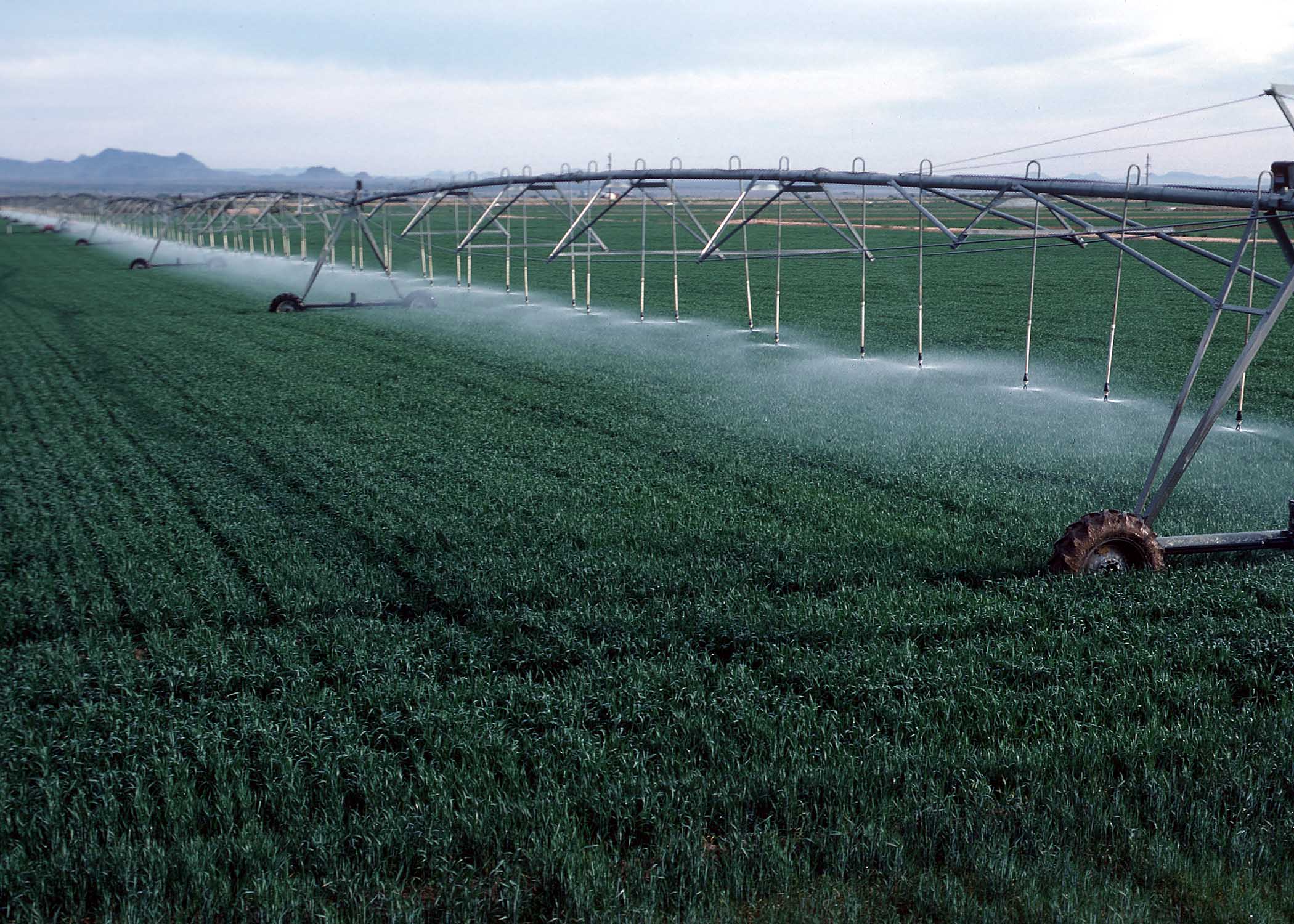
Namibia Unveils Ambitious Agri-Food Strategy Targeting 6% Annual Growth, Doubling GDP Contribution by 2030
Image: Wikipedia / Agriculture Namibia Unveils Ambitious Agri-Food Strategy Targeting 6% Annual Growth, Doubling GDP Contribution by 2030
By The Namibia Times Staff | Monday, July 27, 2026 at 3:58 PM UTC
Key Takeaways
- Namibia has introduced a new national agri-food strategy aimed at significantly bolstering the country's agricultural sector and its economic impact.
- The newly adopted strategy sets an ambitious target of achieving an average annual growth rate of 6% for the entire agri-food sector.
- A primary objective of this comprehensive policy is to double the agri-food sector's overall contribution to Namibia's Gross Domestic Product (GDP) by the end of the decade.
- This long-term economic plan, extending its vision and implementation targets to 2030, highlights the government's strategic intent to enhance food security and drive national economic diversification through focused agricultural development.
Namibia has embarked on an ambitious journey to transform its agricultural landscape with the launch of a new national agri-food strategy. This strategic initiative aims to significantly bolster the sector's contribution to the national economy, setting clear targets for growth and economic impact over the next decade.
The core of the strategy revolves around achieving an impressive 6% average annual growth rate for the agri-food sector. This growth is anticipated to pave the way for a more substantial role for agriculture in Namibia's economic framework. Furthermore, a central objective articulated within the strategy is to double the agri-food sector's overall contribution to the country's Gross Domestic Product (GDP) by the year 2030, marking a significant milestone for the nation's economic planning.
This long-term vision underscores a strategic commitment to harnessing Namibia's agricultural potential. By setting such specific and ambitious targets, the strategy reflects a concerted effort to enhance food security, create employment opportunities, and drive broader economic diversification across the country. The implementation of this plan is expected to involve various stakeholders across the agri-food value chain, from primary producers to processing and distribution networks.
Sources & Attributions
This synthesis is compiled from reporting by the following independent publications:
Editorial Notice on Media Use: Visual assets displayed on this page are used strictly for illustrative, educational, and news-reporting purposes in compliance with fair use guidelines. No copyright ownership is claimed. Rights holders may request adjustments, corrections, or asset removal by reaching out via our Contact page.