Namibia’s agricultural sector recorded a significant rebound in the second quarter of 2026, revealing both the potential of the industry and the structural vulnerabilities that remain. According to figures released by the Namibia Statistics Agency (NSA), the agriculture and forestry sectors expanded by 17.8% in real value added. This stands in stark contrast to the 2.7% contraction recorded during the same period in 2025.
This growth was a primary driver behind the broader economic performance, contributing 0.8 percentage points to the national GDP growth of 4.8%. The nominal GDP for the second quarter reached N$70.6 billion, an increase from the N$65.3 billion recorded in the corresponding period of the previous year. The recovery was largely fueled by crop production, which expanded by 28.5%. This surge was directly linked to increased output of maize and millet, conditions that the NSA attributed to favorable rainfall patterns.
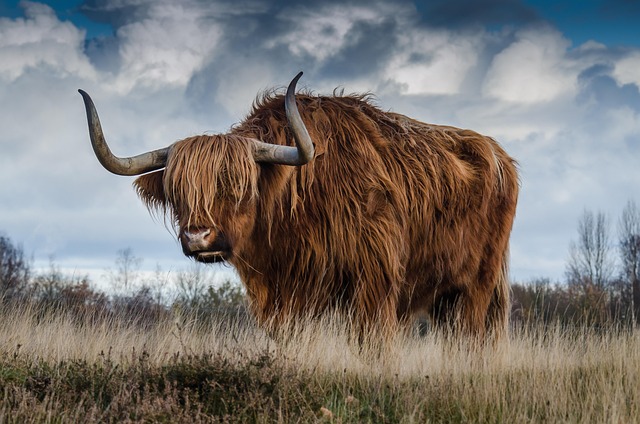
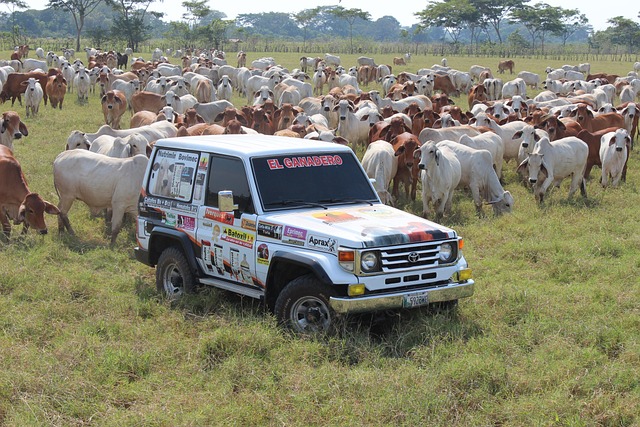
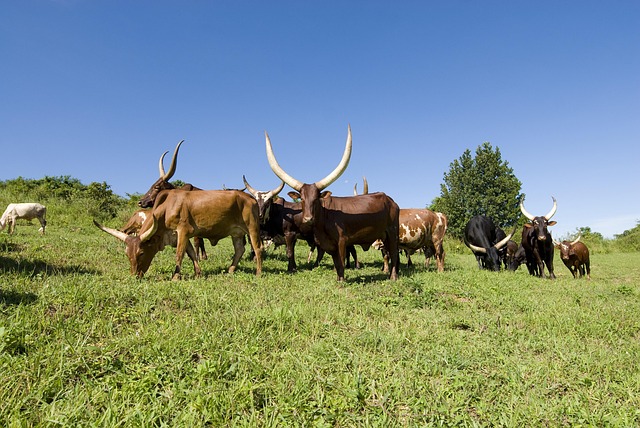
Livestock production also saw a recovery, growing by 7.2% after suffering a 28.4% decline in the second quarter of 2025. Matheus Lazarus, a National Accounts Economist at the NSA, noted that this improvement was specifically driven by an increase in cattle marketed to export abattoirs. Consequently, live cattle exports rose by 62%, while cattle sent to export abattoirs increased by 4.7%.
Disease Outbreak Disrupts Trade
Despite the positive production figures, the sector faces immediate threats from animal health crises. The confirmation of Foot and Mouth Disease (FMD) on September 23, 2026, has significantly altered the operating environment for livestock businesses. The outbreak has raised serious concerns regarding cash flows, livestock movement, abattoir operations, and access to international markets.
Inge Zaamwani, the Minister of Agriculture, Fisheries, Water and Land Reform, acknowledged the severity of the disruption. Speaking to local media on November 5, the minister highlighted the timing of the outbreak, which coincides with the peak season for livestock trading.
“We are entering this season of December, which is a high peak season for trading in livestock. Now, we cannot do that. But we understand that we cannot do that,” Zaamwani stated. The restrictions imposed due to the disease have halted the usual flow of trade, impacting the entire value chain.
Leigh-Ann Nehoya, an agricultural economist at the Namibia Agricultural Union (NAU), provided a financial projection of the potential damage. She estimates that a six-month disruption could lead to approximately N$2.397 billion in cash losses across the livestock value chain. This figure encompasses losses affecting farmers, transporters, auctioneers, abattoirs, and agricultural input suppliers.
Infrastructure and Investment Gaps
The contrast between the crop sector’s rainfall-dependent success and the livestock industry’s disease vulnerability underscores a wider challenge: translating improved production into sustainable commercial growth. Experts argue that Namibia must address longstanding gaps in infrastructure, technology, financing, and market systems to build a competitive industry.
For the crop sector, sustained growth requires moving beyond reliance on natural rainfall. Investment is needed in irrigation, water harvesting, drought-resistant seed varieties, mechanization, and modern farming technologies. Improved post-harvest infrastructure could reduce losses, strengthen domestic food supplies, and create opportunities for value addition rather than relying on unprocessed commodities.
The livestock industry requires equally significant investment in productive infrastructure. This includes stronger veterinary infrastructure, laboratory capacity, animal identification systems, traceability, and biosecurity measures. These elements are essential for maintaining compliance with importing-country requirements and protecting export relationships.
Financing and Market Diversification
The recovery presents opportunities for financial institutions and private investors to address these structural needs. Farmers require financing to acquire inputs, improve water infrastructure, and adopt cost-reducing technologies. Tailored financing products that align with seasonal production cycles could ease working capital constraints, while equipment leasing and longer-term infrastructure financing could support commercial expansion.
Private sector participation is also seen as crucial in storage, cold-chain logistics, processing facilities, and distribution networks. For livestock businesses, investment in disease surveillance and traceability is vital for market resilience. Additionally, diversifying regional and international trading relationships could reduce dependence on limited destinations, although access will remain subject to animal health and import requirements.
Key areas requiring attention include:
- Investment in irrigation and water harvesting to reduce crop dependence on rainfall.
- Strengthening veterinary infrastructure and laboratory capacity to prevent disease outbreaks.
- Developing tailored financing products for seasonal production cycles and equipment leasing.
- Enhancing post-harvest infrastructure to reduce losses and enable value addition.
Path to Sustainable Growth
Namibia has demonstrated that its agricultural sector can rebound quickly following favorable conditions. However, sustaining this performance requires more than just responding to rainfall or recovering from disease outbreaks. The sector needs stronger links between farmers, financial institutions, technology providers, processors, and markets.
The next challenge for the industry is to translate improved production into sustained investment, greater value addition, stronger domestic supply chains, and more resilient export earnings. Without adequate investment in disease prevention and infrastructure, the vulnerability of livestock businesses to export market disruptions will remain a significant threat to commercial growth. The current recovery offers a clear window to address these gaps and build a more competitive agricultural industry.
The broader economy’s growth provides a supportive backdrop, but the agricultural sector must evolve to ensure that its contributions to GDP are stable and resilient. Investors and policymakers alike are being urged to focus on the infrastructure and services that make agricultural production more predictable and commercially viable in the long term.