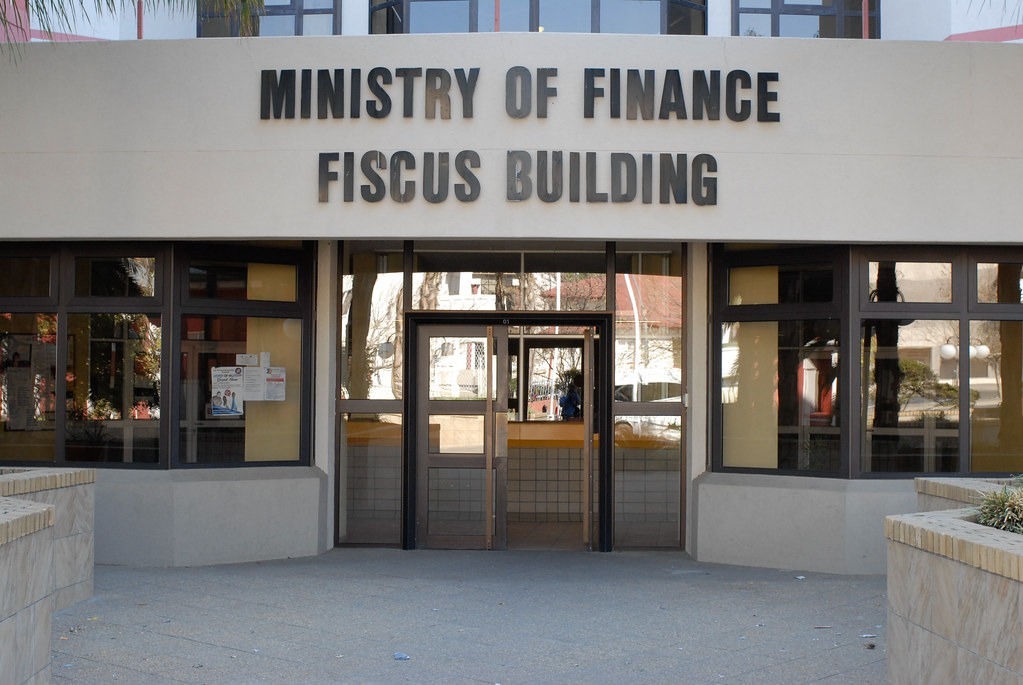
Namibia is actively formulating an economic diversification strategy designed to lessen the nation's heavy dependence on the mining sector. The government intends to utilise revenue generated from mineral activities to foster growth in alternative industries, thereby creating a more resilient economic framework. This initiative aims to mitigate the risks associated with the country's current reliance on mineral exports, which leaves the economy vulnerable to global commodity price fluctuations and shifting demand patterns.
Naemi Shidhudhu, an official from the Ministry of Finance Economic Policy Advisory Services, outlined the government's approach during a public finance training session. She confirmed that the ministry is currently engaged in developing the strategic document, which will detail the specific measures required to ensure that mining proceeds are effectively redirected to stimulate other sectors of the economy. The strategy is intended to serve as a comprehensive guide for reducing the nation's reliance on mineral exports while broadening the overall economic base.
Export Data Highlights Vulnerability
The urgency for such a strategy is underscored by recent trade statistics that reveal the dominant position of the mining sector in Namibia’s foreign exchange earnings. According to the Namibia Statistics Agency’s September 2026 International Merchandise Trade Statistics Bulletin, the mining and quarrying sector contributed N$6.2 billion to the country's total merchandise exports. This figure represents approximately 51% of the total export value, which stood at N$12.2 billion for the month.
The data provides a clear picture of the commodities driving this dependence. Uranium remained the country’s largest export commodity, generating N$3.39 billion and accounting for 27.7% of total exports. All uranium shipments during this period were directed to China. Non-monetary gold was the second-largest export, contributing N$1.37 billion, or 11.2% of total exports, with South Africa identified as the sole destination for these shipments.
Other mineral exports also played significant roles in the export basket. Nickel ores and concentrates contributed N$736 million, representing 6% of exports, although these shipments consisted entirely of re-exports. Additionally, ores and concentrates of base metals generated N$709 million, accounting for 5.8% of total exports. These figures comprised both minerals produced domestically and those re-exported, further highlighting the complex nature of the country's trade dependencies.
Uncertain Timeline and Priorities
While the direction of the policy is clear, specific details regarding its implementation remain undisclosed. The government has not provided a timeline for when the diversification strategy will be finalised. Furthermore, there is no public information regarding which specific industries will be prioritised for growth or how much mining revenue will be allocated to support the initiative.
The lack of immediate detail leaves the private sector and investors awaiting further clarification on how the government plans to execute this shift. The strategy is expected to stipulate concrete actions to ensure that the benefits of mining are translated into sustainable growth across other economic sectors. Until the document is finalised, the extent to which mining revenue will be leveraged to diversify the economy remains a subject of anticipation. The following points summarise the key export data from September 2026 that inform this policy direction:
- Uranium exports generated N$3.39 billion, accounting for 27.7% of total merchandise exports and shipped exclusively to China.
- Non-monetary gold exports contributed N$1.37 billion, representing 11.2% of total exports with South Africa as the only destination.
- Nickel ores and concentrates added N$736 million to export earnings, making up 6% of the total, consisting entirely of re-exports.
- Ores and concentrates of base metals generated N$709 million, accounting for 5.8% of exports through a mix of domestic production and re-exports.
The government’s efforts to broaden economic activity beyond the extractive sector have been longstanding, yet the data from September 2026 indicates that mineral commodities continue to dominate foreign exchange earnings. The forthcoming diversification strategy will be critical in determining how Namibia balances its current resource wealth with the need for long-term economic stability and growth in non-mining industries.