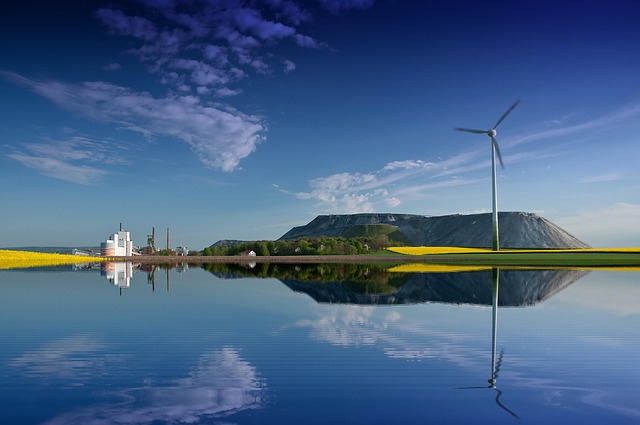
Namibia has officially commenced construction on a significant new renewable energy asset, marking a step toward reducing the country's reliance on electricity imports. The 50-megawatt CERIM Lüderitz Wind Power Project broke ground on Monday, located 16.5 kilometres south of Lüderitz in the //Kharas Region.
Once operational, the facility is projected to supply approximately six percent of Namibia’s total electricity consumption. This addition to the national grid is intended to bolster domestic power generation capabilities, providing a more stable foundation for the country’s economic activities.
Industrialisation and Energy Security
Government officials have linked the expansion of power infrastructure directly to the nation’s broader industrialisation goals. Minister of Industries, Mines and Energy Modestus Amutse emphasised that reliable and affordable electricity is a prerequisite for attracting investment in smelting, refining, and mineral processing.
Amutse stated that the government cannot achieve its ambitions for mineral beneficiation or create sustainable employment opportunities without industries supported by consistent power supplies. He expressed hope that the lower costs associated with wind power generation would eventually translate into reduced electricity tariffs for consumers.
"We cannot industrialise without electricity, definitely. We cannot beneficiate our minerals without electricity, for sure," Amutse said, noting that the final energy product should reflect the low cost of production.
Contract Terms and Procurement
The development of the wind farm is governed by a 25-year Power Purchase Agreement (PPA) signed between NamPower and CERIM Lüderitz Energy on 14 April 2023. The utility company is responsible for purchasing the electricity generated by the project under the terms of this long-term contract.
NamPower Managing Director Kahenge Haulofu confirmed that the project was awarded following an international procurement process conducted in 2022, during which five bids were evaluated. The agreement specifies a base electricity tariff of 87.85 cents per kilowatt-hour, with a fixed annual escalation of four percent.
Haulofu highlighted the importance of the contractual framework in securing the project's development. The key financial and operational parameters of the agreement include:
- A 25-year Power Purchase Agreement signed on 14 April 2023.
- A base electricity tariff of 87.85 cents per kilowatt-hour.
- A fixed annual escalation rate of four percent applied to the tariff.
- A Transmission Connection Agreement also signed between NamPower and the developer.
Local Benefits and International Cooperation
Vice-President Lucia Witbooi officiated at the ceremony and urged developers to prioritise local employment, skills development, and business participation. She stressed that residents and businesses in Lüderitz and the wider //Kharas Region should be direct beneficiaries of the investment.
Witbooi called for structured training and knowledge-sharing programmes to equip Namibians with the technical skills required to operate and maintain renewable energy infrastructure. She noted that the true measure of a successful international partnership lies in the capacity and skills left behind.
Chinese Ambassador to Namibia Zhao Weiping described the project as the first investment by Chinese companies in Namibia’s wind power sector. He stated that the development carries great significance for strengthening economic cooperation between the two nations and creating technical exchange opportunities.
Ambassador Zhao urged all parties to uphold high standards of quality and sustainability, strictly observe workplace safety and environmental protection requirements, and actively fulfill social responsibilities. He expressed the hope that the project would serve as a model for China’s cooperation in green energy.
The project is also expected to have a positive environmental impact, with officials estimating that it will prevent approximately 150,000 tonnes of carbon dioxide emissions annually once it becomes fully operational.