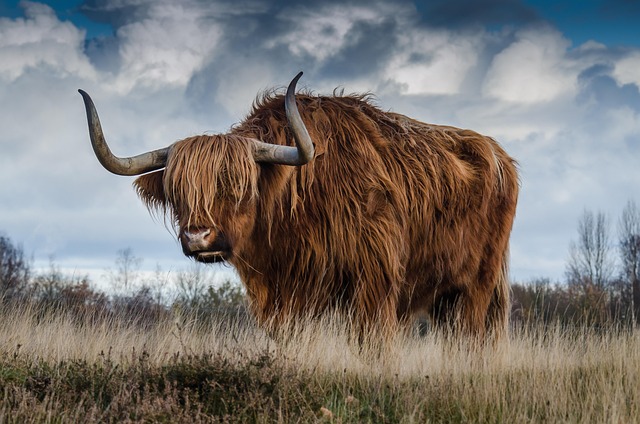
Namibia has begun to restore normal commercial activity in the Zambezi Region by partially lifting restrictions on livestock and animal product movements. The decision follows a successful containment strategy that has kept the foot-and-mouth disease (FMD) outbreak isolated to a single cattle herd on Kalala Island since its detection in early October.
The Ministry of Agriculture, Fisheries, Water and Land Reform announced the revised measures after veterinary surveillance confirmed that the virus has not spread beyond the initial infection site. This development allows for the resumption of certain livestock trading and slaughter activities across most of the region, while maintaining tight controls in the specific constituencies where the disease was identified.
Revised Movement Protocols
The new regulations distinguish between the affected disease management area and the rest of the Zambezi Region. Farmers operating outside the designated restricted zones are now permitted to move cloven-hoofed animals for slaughter. These animals can be transported to open markets or local and export abattoirs, provided they hold valid veterinary movement permits.
The government has also authorised the entry of fully vaccinated cattle into the Kopano quarantine facility, provided they originate from outside the restricted area. Additionally, the movement of livestock from other regions into Zambezi is now allowed, with the exception of Kabbe North and Kabbe South constituencies. Animals transiting through the region must be transported in sealed trucks to prevent any potential contamination.
Vaccination Progress and Surveillance
A critical component of the containment strategy has been the rapid vaccination of the local cattle population. The Directorate of Veterinary Services (DVS) has completed two rounds of vaccinations, successfully immunising 53,479 cattle. This figure represents more than 95% of the targeted population of 56,269 cattle in the area.
Chief Veterinary Officer Kenneth Shoombe stated that active surveillance conducted within a 30-kilometre radius of the infected area had found no evidence of the disease spreading. This data was pivotal in determining that the Disease Management Area could be narrowed down to Kabbe South and Kabbe North constituencies.
Shoombe emphasised that cattle revaccination would continue across the region. This ongoing effort is designed to contain the outbreak further and protect the broader livestock sector from future transmission risks.
Restrictions in the Disease Management Area
While trade has resumed in most of the region, strict prohibitions remain in force within Kabbe North and Kabbe South. The movement of cloven-hoofed animals and animal products from these constituencies to other parts of Zambezi is still banned. This measure ensures that the virus does not re-enter the wider population through infected stock from the initial outbreak site.
Residents living within the disease management area are allowed to slaughter fully vaccinated cattle for household consumption and social events. However, meat derived from these animals cannot be transported outside the restricted area. This limitation prevents the informal movement of potentially contaminated meat into unrestricted zones.
To enforce these controls, veterinary roadblocks and patrols will remain operational. Authorities are urging farmers to present their cattle at designated vaccination points and to immediately report any suspected FMD cases or illegal livestock movements to their nearest veterinary offices.
Trade in Animal Products
The ministry has also adjusted regulations regarding the trade in animal products. The movement of raw meat, raw milk, and livestock feed into the Zambezi Region is now authorised. However, this permission excludes products originating from the //Kharas Region, maintaining a safeguard against potential cross-regional transmission.
The partial lifting of restrictions marks a significant shift from the initial containment measures introduced after the outbreak was detected on 7 October. By maintaining tighter controls in the affected constituencies while allowing livestock trading and slaughter activities to resume elsewhere, the government aims to balance disease control with economic stability for farmers in the region.
The Directorate of Veterinary Services has successfully immunised 53,479 cattle, representing more than 95% of the targeted population of 56,269, and has completed two rounds of vaccinations within a 30-kilometre radius of the infected area.
- The Directorate of Veterinary Services has successfully immunised 53,479 cattle.
- This figure represents more than 95% of the targeted population of 56,269 cattle.
- The service has completed two rounds of vaccinations in the area.