Namibia is confronting the stark financial reality of moving from uranium extraction to full-scale nuclear power generation. According to industry analysis, the capital required to build a comprehensive nuclear industry could reach twice the nation’s gross domestic product. This figure underscores the immense scale of infrastructure needed to transition from mining source materials to generating electricity.
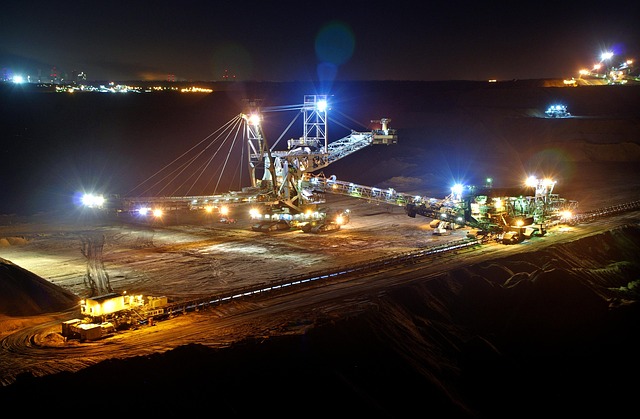
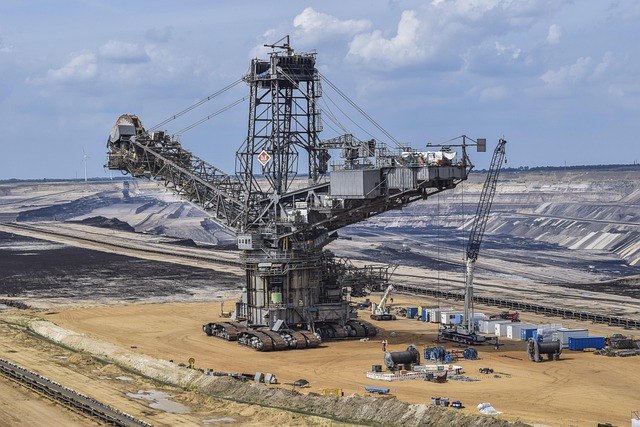
Kegan Straydom, a relationship manager at RMB Namibia, outlined the escalating costs associated with each stage of the nuclear fuel cycle. While initial uranium exploration and mining represent a manageable investment, the financial burden increases dramatically as the country moves toward conversion, enrichment, and power generation. Using Namibia’s estimated GDP of US$17 billion as a baseline, Straydom provided specific projections for the capital intensity of these sectors.
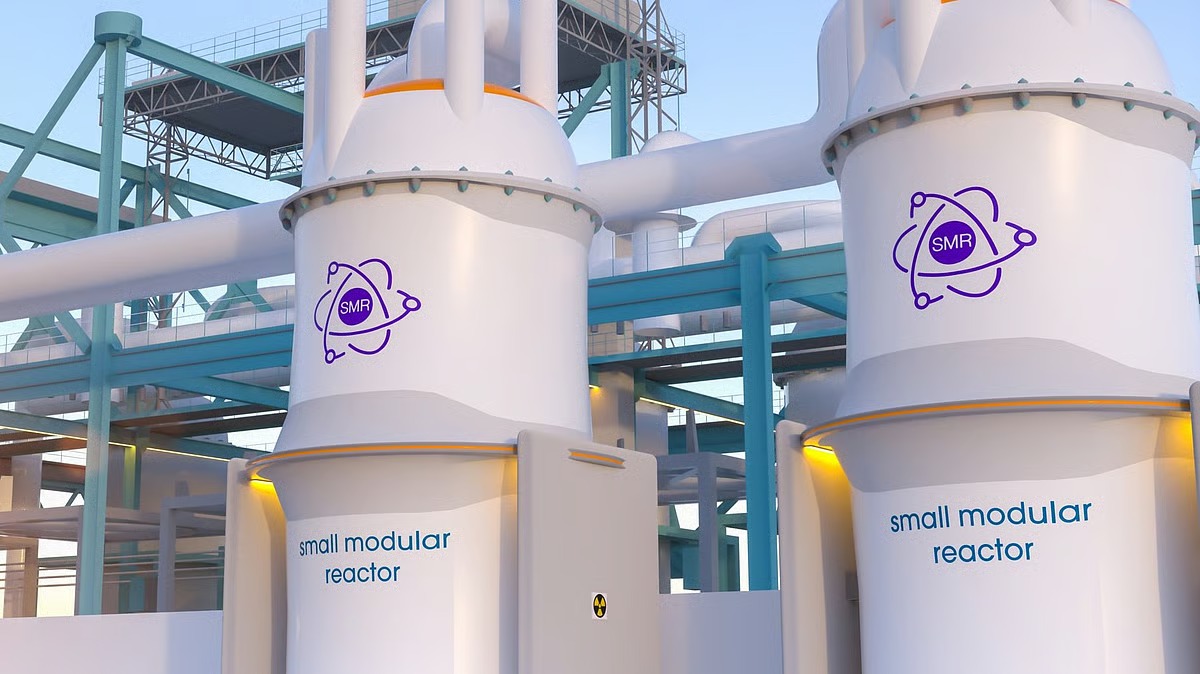
The financial hurdles are not limited to domestic budgets. Straydom noted that Namibia’s fiscal position, sovereign investment rating, and debt-to-GDP ratio will heavily influence its ability to attract the necessary financing. He suggested that partnerships with development finance institutions and export credit agencies could be vital for distributing the risks associated with such large-scale projects. To illustrate the magnitude of these requirements, he cited a small modular reactor project in Rwanda, which carries an estimated cost of US$6 billion.
Regulatory Framework Gaps
Beyond financial constraints, Namibia faces significant legal obstacles in regulating nuclear activities. Axel Tibinyane, secretary of the Namibia Atomic Energy Board, highlighted that existing legislation does not provide sufficient authority to oversee nuclear reactor safety. The country’s nuclear laws historically depended on the Atomic Energy Act of 1948 and the Nuclear Installations Act of 1963, both of which were repealed in 1992 after the introduction of the Minerals Act.
This legislative shift left Namibia with laws primarily focused on the prospecting and mining of nuclear source materials, rather than the broader nuclear fuel cycle. Although the Radiation Protection Policy of 1994 informed the Atomic Energy and Radiation Protection Act of 2005, Tibinyane stated that current regulations mainly address radiation protection, safeguards, and security. They lack the mandate to regulate reactor safety and prevent accidents.
To address these deficiencies, the government is pursuing legislative amendments. The proposed framework envisions a single, independent nuclear and radiation safety regulatory authority. A draft Nuclear Bill is currently undergoing public consultation, aiming to extend oversight to nuclear facilities beyond uranium mining and establish credible procurement systems.
Strengthening the Investment Environment
Investors require evidence that government policy commitments are backed by effective institutions and independent regulation. Straydom emphasized that Namibia must strengthen its investment environment and industrial supply chains before pursuing capital-intensive nuclear projects. He pointed out that the mining and exploration sector currently offers 53 supply chains clustered into groups such as logistics, supplies, and labor.
These existing supply chains can serve as a foundation for the broader nuclear industry. Straydom urged the country to prioritize opportunities within these established mining supply chains while simultaneously building the financial and regulatory conditions necessary for future investments. He identified regulatory independence, transparent procurement processes, nuclear liability arrangements, and commercially viable electricity tariffs as critical requirements for securing investment.
Key elements of the investment and regulatory landscape include:
- Uranium exploration and mining development requires investment equivalent to between 3% and 4% of GDP.
- Milling and conversion stages are estimated to need between 2% and 3% of GDP.
- Enrichment and fuel fabrication could demand investment between 100% and 120% of GDP.
- Nuclear electricity generation represents the highest cost, potentially reaching 200% of GDP or US$34 billion.
Path Forward for the Nuclear Sector
Namibia’s consideration of opportunities to move beyond uranium extraction into higher-value activities is complicated by these significant barriers. The combination of massive capital requirements and outstanding regulatory needs presents a complex challenge for policymakers and industry stakeholders. While the potential for economic diversification exists, the path to nuclear energy generation requires a robust legal framework and a stable investment climate.
The government’s efforts to amend the Nuclear Bill and establish an independent regulatory body are critical steps in this direction. However, the success of these initiatives will depend on Namibia’s ability to attract financing and demonstrate institutional credibility to international investors. Until these conditions are met, the country’s nuclear ambitions will remain largely theoretical, constrained by the gaps in both its legislative framework and its financial capacity.