Namibia’s leadership is reportedly assessing a controversial proposal to acquire a minority equity position in De Beers, a move that carries significant financial risk against a backdrop of collapsing state revenues. The potential deal, valued at up to N$2.77 billion, aims to secure strategic leverage for the country’s downstream diamond industry rather than immediate financial returns.
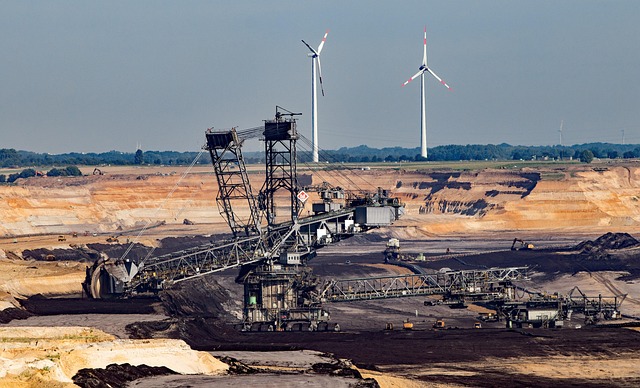
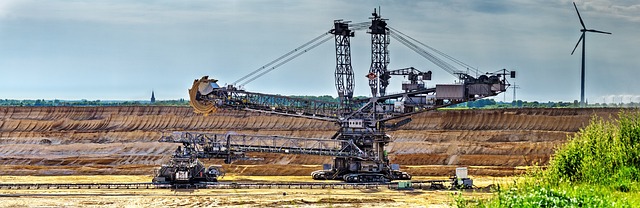
This consideration arrives as the global diamond market undergoes a severe contraction. De Beers has seen its profitability erode sharply due to intense competition from lab-grown stones and a broader market downturn. The company recorded an EBITDA loss of US$511 million in 2025, followed by a further loss of US$113 million in the first half of 2026. Simultaneously, Namibia’s local mining joint venture, Namdeb, has requested emergency recapitalisation after revenues fell 60% below projections.
Ownership Shakeup and Valuation Drop
The opportunity for state involvement arises from a major restructuring at De Beers. A private consortium led by former chief executive Gareth Penny is poised to purchase Anglo American’s 85% controlling stake for US$1 billion, while injecting an additional US$500 million in new capital. This transaction implicitly values the global diamond giant at US$1.68 billion, a steep decline from its historical valuation of over US$12 billion.
Financing a 10% stake would require the Namibian government to borrow heavily through state bonds. Financial analysts caution that the investment will only yield better returns than standard government bonds if De Beers engineers a massive turnaround. Specifically, the company would need to achieve an annual EBITDA of US$549 million by 2031 to justify the risk. Experts describe this target as an uphill battle given the current financial metrics.
Securing a Seat at the Table
Proponents of the deal argue that the strategic value transcends direct monetary gains. Diamonds remain a cornerstone of the Namibian economy, historically representing 40% of export earnings and supporting thousands of local jobs. Currently, while Namibia owns half of its local mining operations through Namdeb, it holds no voting power over De Beers’ global corporate decisions.
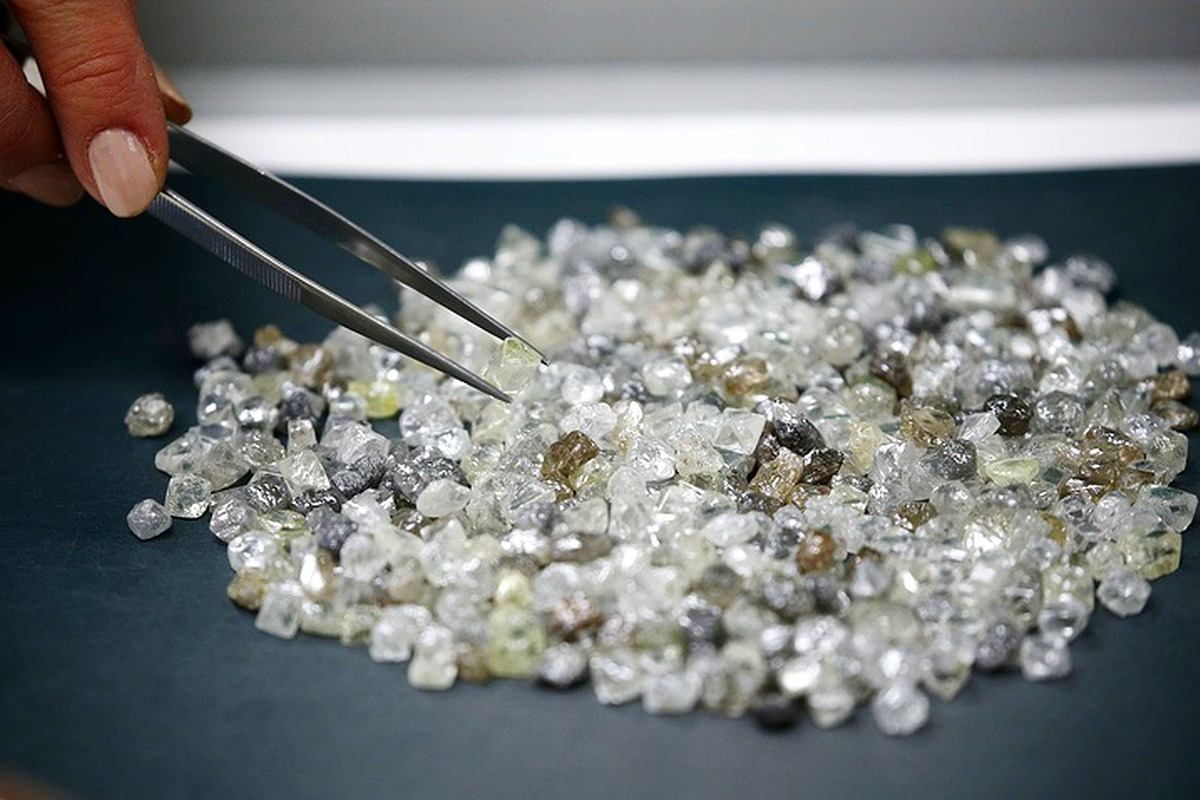
A 5% to 10% stake would provide Namibia with an inside view of global pricing, inventory management, and marketing strategies. Crucially, this equity position could offer the leverage needed to renegotiate the country’s 10-year diamond sales agreement, which expired in May 2026. Neighboring Botswana successfully used its position to secure a phased increase to 50% of local production, and Namibia hopes to secure a larger allocation for its state-owned marketing arm, Namdia.
The government aims to guarantee rough diamond supplies to protect approximately 1,100 jobs at local cutting and polishing factories. However, regional analysts warn that a 5% to 10% share leaves Namibia as a junior partner with limited visibility, while private investors retain absolute control.
Conditions for Investment
If negotiations proceed, experts stress that Namibia must condition its investment on securing specific legal guarantees to protect state interests. The briefing note highlights several non-negotiable terms that would need to be embedded in any final agreement.
Key requirements include:
- Mandatory board representation to ensure direct oversight of corporate strategy.
- Strict consent rights over any potential closures or asset sales at Namdeb.
- Ironclad protection against forced capital calls if De Beers continues to incur losses.
These safeguards are deemed essential to prevent the state from absorbing further financial bleeding while retaining minimal influence over operational decisions. The government now faces the challenge of balancing the urgent need for industry stability against the fiscal realities of a debt-fueled investment in a distressed asset.