Namibia must direct at least half of its investment plan under the Climate Investment Funds’ Industry Decarbonization Programme toward private sector activities. This requirement is designed to ensure that businesses take the lead in developing new industrial facilities and attracting the necessary investment for the country’s emerging green industries. Daniel F. Morris, the head of clean energy at the Climate Investment Funds (CIF), outlined these conditions while speaking on the sidelines of COP31 in Antalya, Türkiye.
The mandate aims to integrate commercial capital with public funding to develop low-carbon industries from the ground up. Morris emphasized that this approach allows Namibia to avoid the significant costs associated with replacing carbon-intensive infrastructure in the future. By prioritizing private sector involvement, the programme seeks to ensure that projects are bankable and capable of reaching implementation without relying solely on government or development finance.
Focus on New Infrastructure vs. Existing Emissions
Namibia’s strategy under the programme differs significantly from the approaches taken by more industrialised emerging economies. Morris noted that in countries such as Brazil and Mexico, the majority of financing is directed toward reducing emissions from existing industrial operations. In contrast, Namibia’s funding is intended to support the establishment of entirely new industrial facilities, processing plants, refineries, and manufacturing capacity.
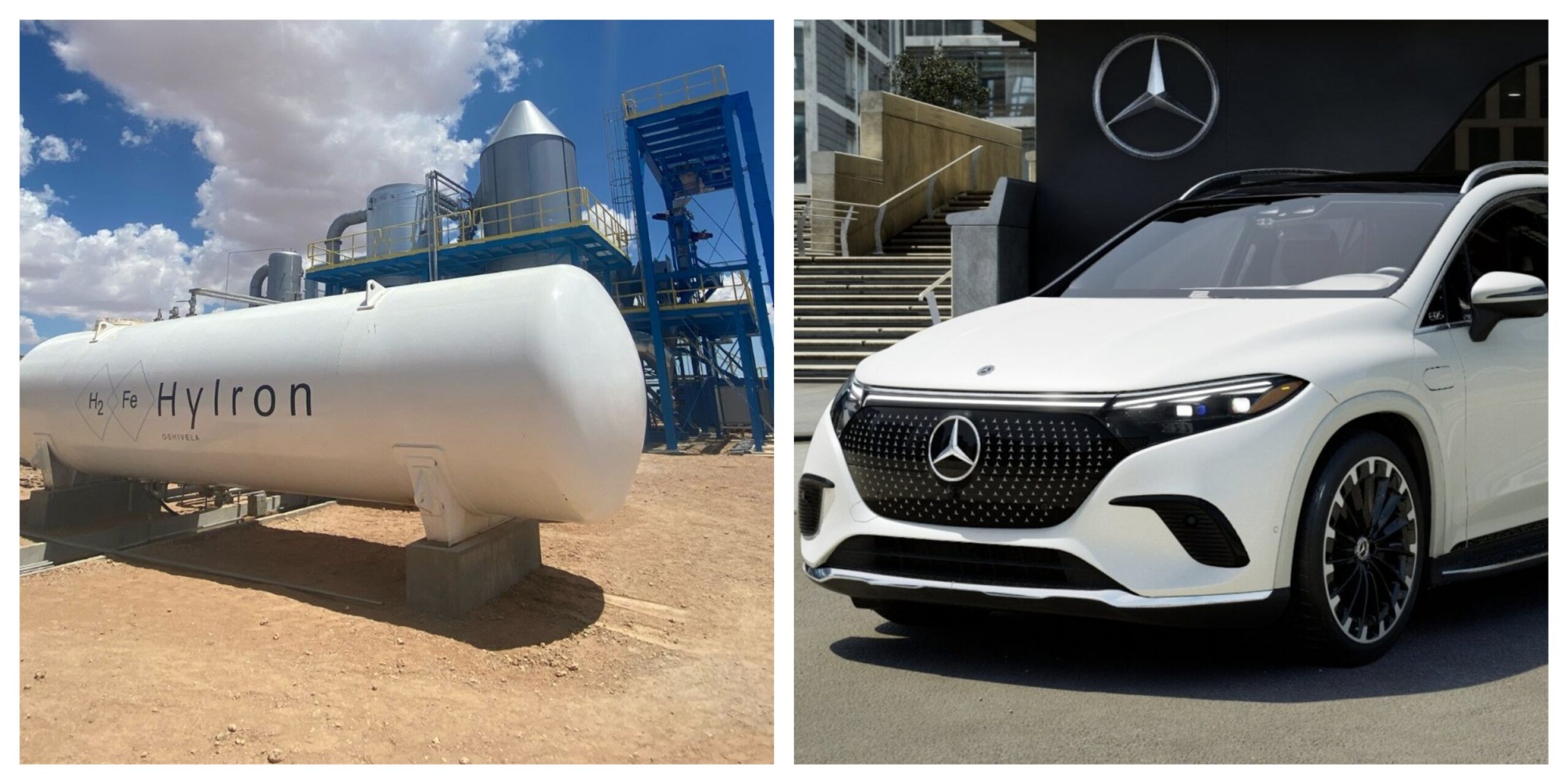
This distinction is critical for Namibia’s goal of becoming a supplier of green industrial products to regional and international markets. The investment will focus on sectors such as green hydrogen, green iron, and steel production. Morris argued that developing these industries from the outset provides an opportunity to build a low-carbon industrial base that is competitive and sustainable, rather than retrofitting older systems.
Financing Structure and Regional Context
The Climate Investment Funds programme was launched in 2024 with an initial commitment of US$1 billion, followed by an additional US$750 million allocation. This brings the total financing envelope to US$1.75 billion. Namibia is among seven countries participating in the programme and could access up to US$250 million, approximately N$4.5 billion, in concessional financing. The funds are channelled through multilateral development banks, including the World Bank and the African Development Bank.
The financing instruments available include concessional loans aimed at reducing borrowing costs and guarantees designed to address investment risks. These tools are intended to attract private capital alongside the concessional financing. Morris highlighted that securing the required private sector allocation depends on developing industrial projects that can attract commercial investment. He cited South Africa as an example of successful CIF-supported investment, noting that the country has a US$500 million investment plan focused on transitioning away from coal. Approximately US$250 million in new projects under South Africa’s plan had been approved in the month preceding the interview. Additionally, CIF has supported renewable energy development in South Africa, including financing for the country’s first large-scale battery storage project.
Stakeholder Engagement and Future Steps
Beyond financial mechanisms, the programme requires extensive engagement with various stakeholders to ensure broader participation in industrial development. Morris stated that the CIF expects collaboration with governments, private companies, workers, and civil society organisations. This inclusive approach is intended to ensure that the development of industrial projects benefits a wide range of societal groups.
Key elements of the financing strategy include:
- A mandatory 50% allocation of the investment plan to private sector activities to drive business-led development.
- Eligibility for up to US$250 million in concessional financing through multilateral development banks like the World Bank.
- Focus on new infrastructure for green hydrogen and steel production rather than retrofitting existing industrial operations.
- Use of guarantees and concessional loans to mitigate risk and attract commercial capital alongside public funds.
The programme is expected to support Namibia’s efforts to expand domestic processing and manufacturing capacity. By positioning the country as a hub for green industrial products, the initiative aims to integrate Namibia into global supply chains while adhering to low-carbon standards. The success of this model will depend on the ability of private entities to develop projects that meet the stringent requirements of both the CIF and commercial investors.
Morris’s comments underscore the importance of aligning national industrialisation goals with international climate finance mechanisms. As Namibia moves forward, the focus will remain on creating an environment where private investment can thrive within the framework of green industrialisation. The outcome of this strategy will determine the pace and scale of Namibia’s transition to a low-carbon industrial economy.