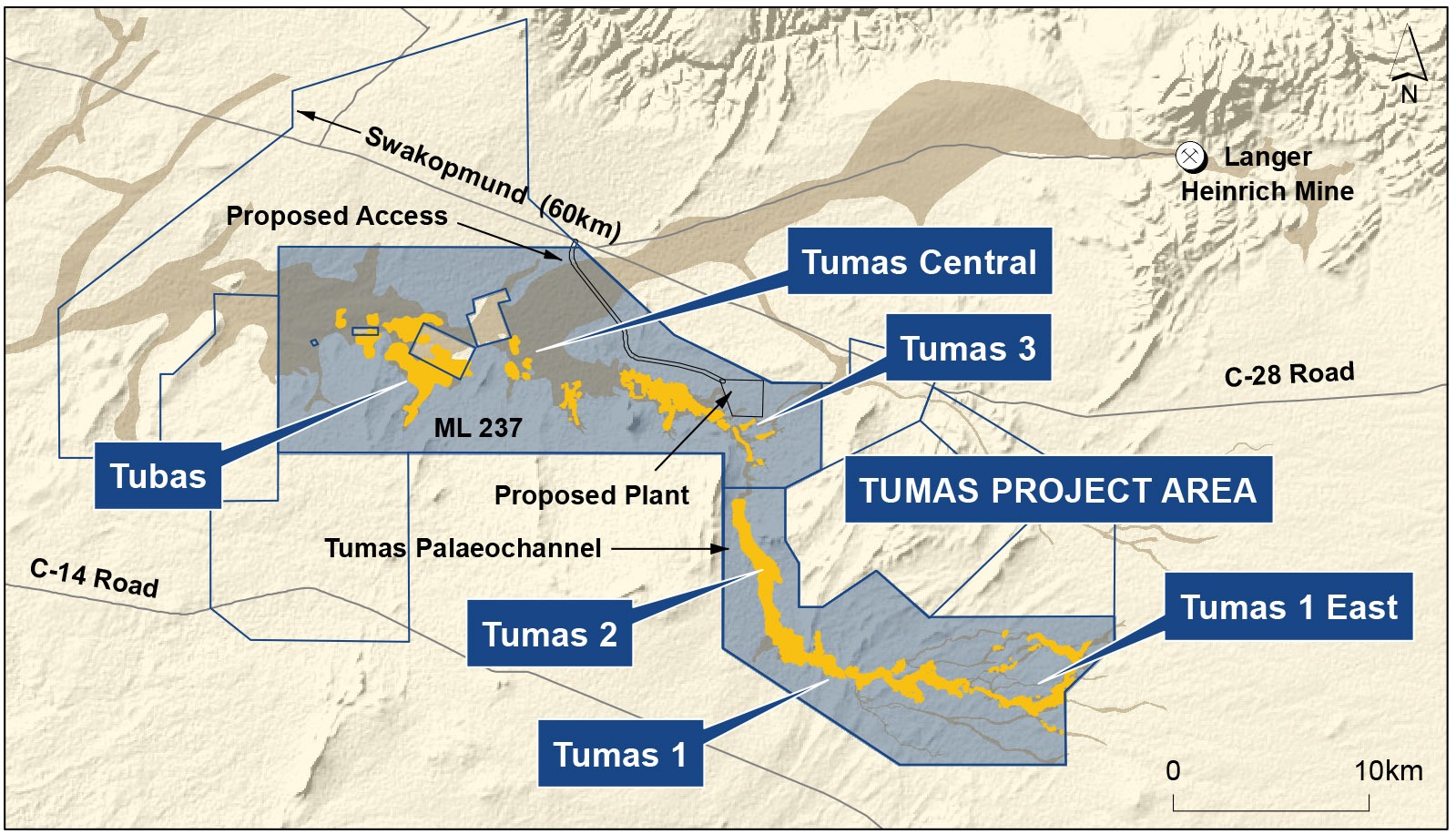
Deep Yellow Limited is advancing its flagship Tumas uranium project in Namibia’s Erongo region, marking significant progress in technical and commercial assessments as it moves toward a Final Investment Decision. The company’s managing director and chief executive officer, Greg Field, presented these updates at the firm’s 2026 Annual General Meeting, highlighting that extensive work on the ground continues despite a strategic pause on the final financial commitment.
Field emphasized that the current deferral of the Final Investment Decision is a calculated move to safeguard long-term shareholder value. He noted that equity market conditions currently appear disconnected from the underlying fundamentals of the uranium sector. By waiting for more favorable market alignment, Deep Yellow aims to maximize the value delivered to investors when it ultimately commits to the project's full development.
Engineering and Construction Milestones
Despite the delay in the final financial decision, physical development at the Tumas site has accelerated. The company reports that detailed engineering has reached 85% completion as of 30 September 2026. This technical progress is supported by a robust financial position, with the company holding A$145 million in cash, enabling it to self-fund critical operational items without external financing pressure.
Civil works officially commenced in September 2026, following the award of the civil contract in July and subsequent agreements with NamWater and Oponona in August. Field outlined several concrete achievements in the construction phase, demonstrating that the project is moving forward on the ground.
Key construction and engineering milestones achieved at the Tumas site include:
- Completion of concrete pours for the Counter Current Decantation (CCD) circuit by October.
- Advanced construction of leach tanks as crews worked through the autumn months.
- Execution of civil works following the award of the civil contract in July.
- Securing necessary water and infrastructure agreements with NamWater and Oponona in August.
The optimization study currently underway covers a broad spectrum of project elements, including mining, processing, infrastructure, capital expenditure, operating expenditure, and a full resource and reserve review. These measures are designed to de-risk the project’s development and operating strategy while refining its underlying economics.
Market Conditions and Offtake Strategy
The strategic timing of the investment decision is also influenced by favorable shifts in the global uranium market. Long-term uranium contract prices climbed to US$98 per pound as of October 2026, approaching triple digits and reflecting a 15% increase over the preceding twelve months. This price environment has strengthened the economic case for Tumas, though management remains cautious about market volatility.
Deep Yellow is actively negotiating offtake contracts to secure stable revenue streams. Management emphasized a focus on contract quality, aiming to structure agreements that protect against downside risk while retaining majority exposure to upside price movements. These negotiations are significantly progressing, aligning with the company’s goal to transition from a developer to a producer.
Portfolio and Leadership Expansion
Beyond the immediate focus on Tumas, Deep Yellow continues to advance its globally diversified portfolio, which holds a combined total resource of 430 million pounds. The company is also strengthening its organizational capacity to support this transition. Field noted that Deep Yellow bolstered its executive and board ranks in 2026, adding senior leadership across project execution, Namibian operations, strategy, and legal governance.
These leadership additions are intended to provide the necessary expertise to manage the complexities of bringing Tumas into production. As the optimization study nears completion, the company will use the refined data to make a final determination on the investment timeline, ensuring that the project meets its rigorous standards for value creation and operational efficiency.