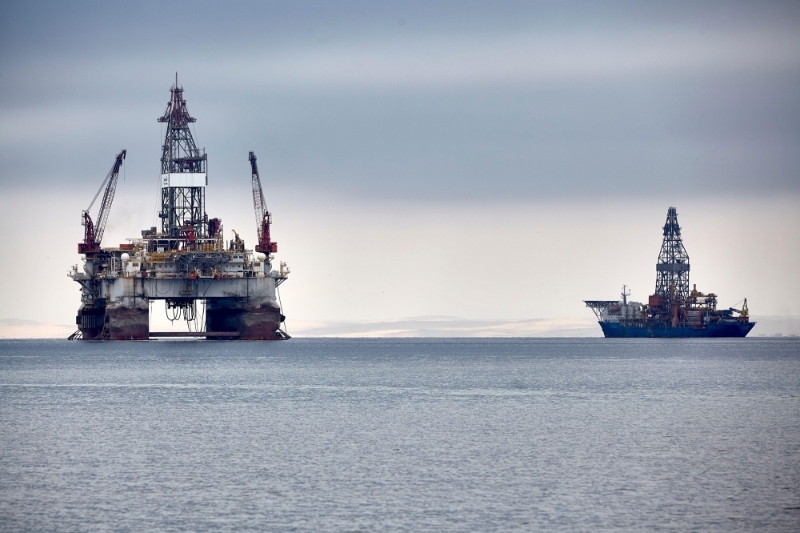
Namibia faces substantial hurdles in managing its nascent oil and gas sector, according to a comprehensive review released by the Institute for Public Policy Research. The assessment, titled Before the First Barrel, concludes that the country is inadequately prepared to govern the industry effectively as it moves toward commercial production.
While the nation has established a foundational legal and regulatory structure for petroleum activities, the report highlights critical deficiencies in implementing these rules. Weaknesses in institutional capacity, revenue management, and transparency pose significant risks that could undermine the sector's long-term benefits if left unaddressed.
The evaluation utilized a five-point scoring system to measure readiness across eight distinct areas of petroleum governance. Evidence reviewed up to 31 October 2026 revealed a stark contrast between the existence of legislation and the practical ability to enforce it. The gap between statutory frameworks and their operational implementation was cited as a primary challenge requiring immediate attention.
Institutional and financial vulnerabilities
The financial architecture surrounding the new governance structures presents additional concerns. The report noted that the Petroleum Affairs Directorate received N$9.6 million in operational funding during the 2025/26 financial year. In contrast, the newly restructured Upstream Petroleum Unit was allocated N$20 million in the 2026/27 national budget.
Despite this increased funding, the statutory framework governing the Upstream Petroleum Unit had not been finalized by the assessment’s cut-off date. This delay, combined with issues regarding regulatory independence and institutional coordination, threatens the effectiveness of the government’s upstream petroleum governance strategy.
Revenue management was flagged as an area needing urgent reform. The IPPR emphasized the necessity for specific financial controls covering company payments, state participation, and contingent liabilities. There are particular concerns that petroleum-related borrowing and state guarantees could expose public finances to heightened risks without robust parliamentary oversight mechanisms.
The context for these financial warnings is a deteriorating macroeconomic landscape. Projections from the 2026/27 Mid-Year Budget Review indicate that Namibia’s public debt is expected to reach N$201.7 billion by the end of the financial year. This figure represents 68.7% of the country’s gross domestic product, underscoring the potential danger of adding unsecured petroleum liabilities to the national balance sheet.
Environmental and social safeguards
Environmental preparedness remains a critical vulnerability in the country’s readiness index. The assessment awarded environmental and social safeguards an average score of 2.53 out of five, citing outdated emergency response capabilities as a major flaw.
A November 2024 assessment prepared for the Global Initiative for West, Central and Southern Africa highlighted that government oil-spill response equipment is largely obsolete. The report further noted that Tier 2 response capacity is very limited, while national Tier 3 capacity is insufficient to handle major incidents.
Beyond immediate emergency response, the IPPR identified weaknesses in cumulative environmental impact assessments and monitoring. The institute warned that these gaps could lead to long-term ecological damage if enforcement mechanisms are not strengthened before drilling activities commence.
Social and local content policies also require refinement. Although Cabinet approved the National Upstream Petroleum Local Content Policy on 4 August 2026, the IPPR stated that the policy lacks enforceable requirements. The report called for measurable employment and procurement targets, alongside transparent company-level reporting to ensure genuine economic inclusion.
Recommendations for reform
To mitigate these risks, the IPPR outlined a series of structural and transparency reforms. The institute stressed that governance improvements must be implemented before commercial production begins, as rising revenues and political pressures could make future reforms more difficult.
Key recommendations include the publication of signed petroleum agreements and beneficial ownership information. The institute also advocated for the establishment of a publicly accessible petroleum information portal to improve transparency.
Specific actions required to address the identified weaknesses include:
- Binding rules for the proposed Welwitschia Sovereign Wealth Fund to govern deposits, withdrawals, investment oversight, and auditing.
- The implementation of petroleum-specific anti-corruption measures, including verified asset declarations and controls for politically exposed persons.
- Namibia’s accession to the Extractive Industries Transparency Initiative to enhance multi-stakeholder oversight and public disclosure.
- Increased investment in offshore emergency response capabilities to replace obsolete equipment and build Tier 3 capacity.
The report concluded that public oversight remains constrained by fragmented access to information and delays in implementing the Access to Information Act. Without these reforms, the IPPR warned that existing governance weaknesses could be exacerbated by the financial and political pressures inherent in the oil and gas industry.
The post Namibia only partially ready to govern oil and gas industry, IPPR finds first appeared on The Brief | Namibia's Leading Business & Financial News.