Fabian Shaanika, the newly appointed chief executive of the Chamber of Mines of Namibia, has expressed strong confidence in the industry’s trajectory for 2027. In a November update reflecting on his first six months in office, Shaanika highlighted that his tenure has been defined by significant policy and regulatory developments, particularly concerning proposed tax changes. He described the period as rewarding, noting the opportunity to engage with members and build relationships across the mining sector.
A central focus of his early leadership has been constructive engagement with the Ministry of Finance regarding proposed revisions to uranium export levies. Shaanika stated that these discussions have been productive, giving him confidence that the chamber and the government can reach a mutually beneficial agreement early next year. He emphasized that despite the uncertainty surrounding these potential fiscal adjustments, the industry’s fundamentals remain robust.
Production Growth and Global Standing
The optimism from the chamber’s leadership is underpinned by strong operational performance in 2025. Namibia’s uranium output rose by 20.8% compared to the previous year, reinforcing the nation’s position among the top three global uranium producers. Market analysts estimate that the country’s total annual production ranges between 8,000 and 10,000 tonnes, accounting for approximately 10% to 12% of global mined uranium supply.
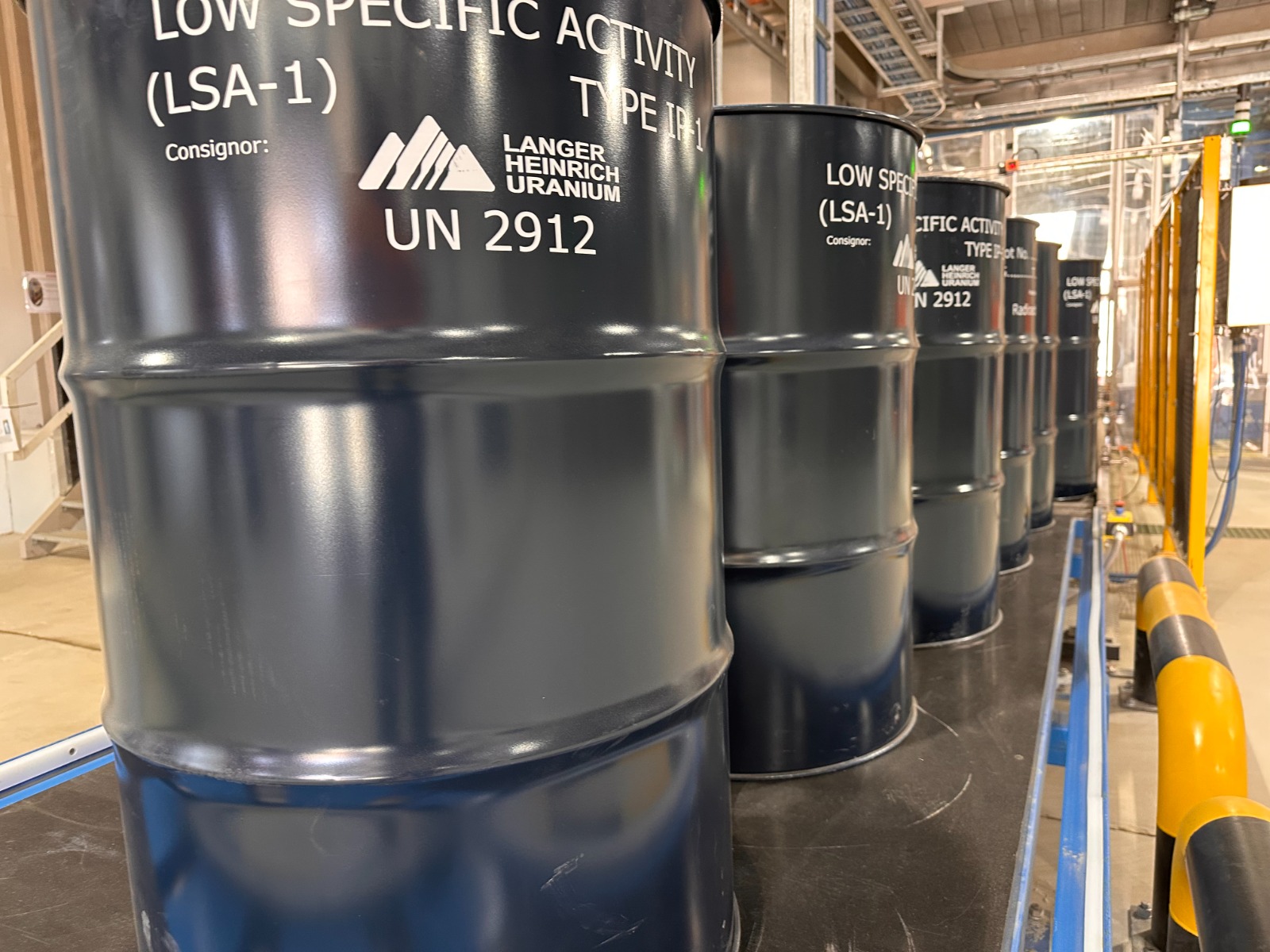
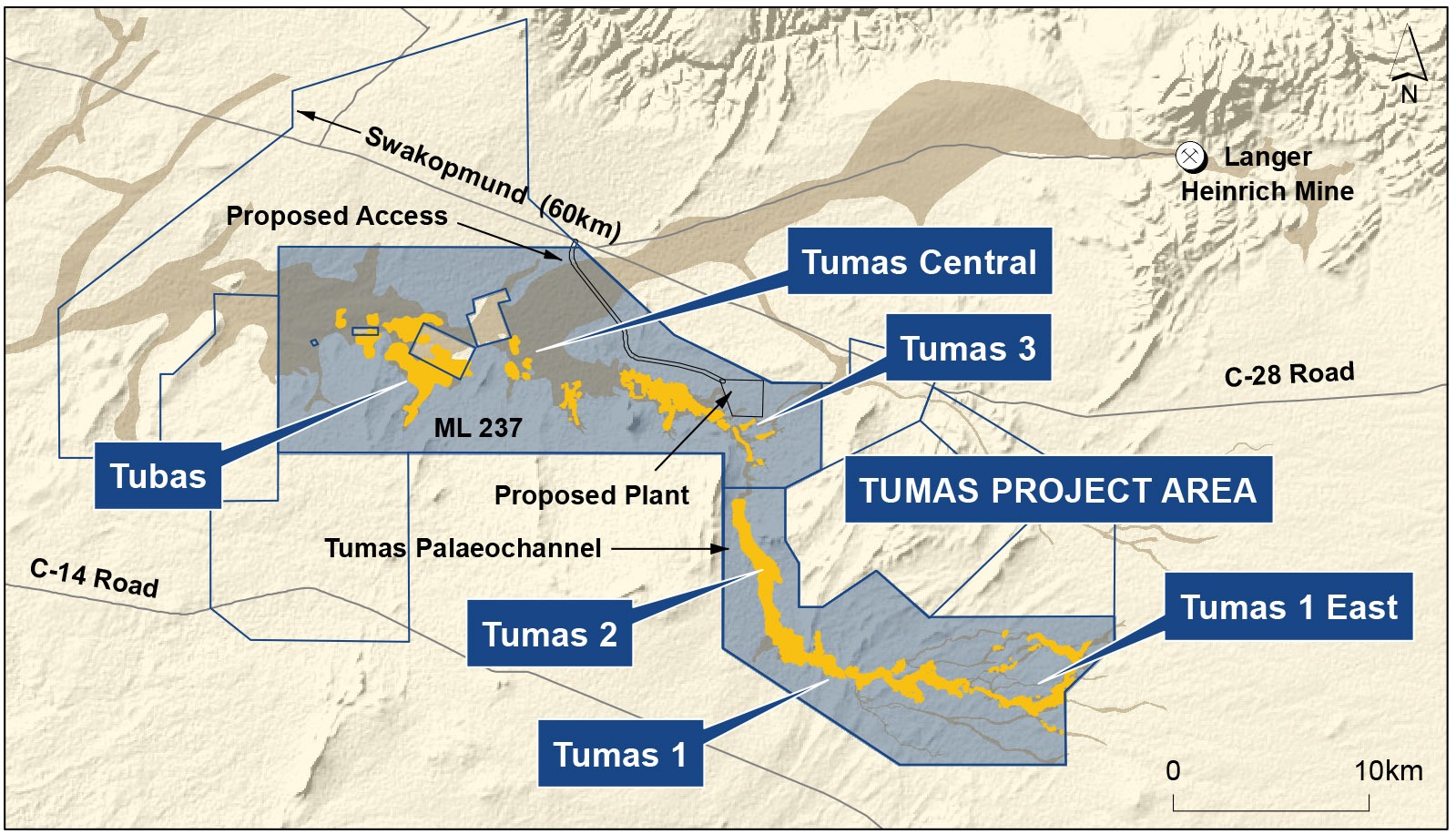
This growth was driven by heightened global nuclear demand and increased production volumes across all three operating mines in the Erongo region. The key facilities contributing to this output are Husab, Rössing, and Langer Heinrich. The sustained growth in these mines has provided a stable base for the industry, even as it navigates potential changes in export taxation structures.
Current Tax Framework and Levy Proposals
The proposed sliding-scale export levy on uranium represents a significant shift from the current fiscal regime. Under existing regulations, uranium mining is subject to a 37.5% non-diamond mining corporate tax rate. Additionally, operators pay a 3% royalty on nuclear fuel minerals and a flat 0.25% export levy on uranium oxide, also known as yellowcake. The government’s proposal to introduce a sliding-scale mechanism aims to adjust these export duties based on varying market conditions or production metrics, a move that has prompted active dialogue between industry stakeholders and policymakers.
Shaanika indicated that the chamber is working closely with the Ministry of Finance to ensure that any new levy structure does not undermine the competitiveness of Namibia’s uranium sector. The outcome of these negotiations will likely shape the fiscal landscape for the industry in the coming year.
Industry Leadership Changes
As the chamber looks toward 2027, it is also managing a transition in leadership. Shaanika paid tribute to outgoing chief executive Veston Malango, who is retiring in December after a long tenure of service to the chamber and Namibia’s mining industry. Malango’s departure marks the end of an era for the organization, with Shaanika stepping into the role with a mandate to maintain industry stability and advocate for favorable policy outcomes.
The key elements defining the current landscape for Namibia’s uranium sector include:
- A 20.8% year-on-year increase in uranium production during 2025, driven by operations at Husab, Rössing, and Langer Heinrich.
- Proposed sliding-scale export levies on uranium that are currently being negotiated between the Chamber of Mines and the Ministry of Finance.
- An existing tax framework comprising a 37.5% corporate tax, a 3% royalty on nuclear fuel minerals, and a 0.25% export levy on uranium oxide.
- A leadership transition at the Chamber of Mines, with Fabian Shaanika succeeding retiring chief executive Veston Malango.
Outlook for 2027
Looking ahead, Shaanika remains optimistic about the industry’s prospects despite geopolitical uncertainties that could affect global supply chains. The constructive engagement with the government on tax issues suggests that a resolution to the levy dispute may be reached soon, providing clarity for investors and operators. As Namibia continues to play a pivotal role in the global nuclear fuel supply chain, the balance between fiscal policy and industry competitiveness will remain a critical topic for stakeholders in 2027.