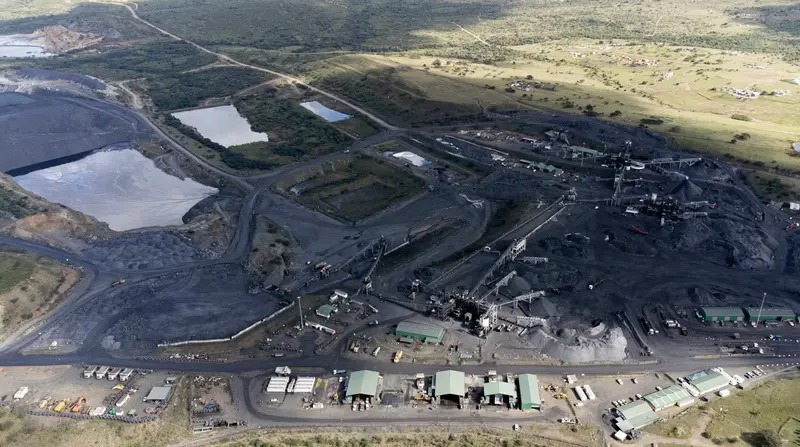
Namibia’s current mining framework fails to adequately safeguard the interests of local populations, according to a new policy brief released by the Human Environment Law Programme (HELP) Trust. The organization argues that the Minerals (Prospecting and Mining) Act requires urgent amendment to better recognize communal land rights and enhance accountability for operators.
The report, titled Changing How Mining is Done in Namibia: Lessons from the Kunene Region, highlights a systemic failure in consultation protocols. Investigators found that communities frequently learned about prospecting or mining activities only after critical decisions had already been finalized by authorities or companies. This late notification severely limited the ability of residents to influence outcomes that directly impacted their land and livelihoods.
Researchers emphasized that meaningful engagement requires moving beyond simple notification. The brief advocates for consultation processes that reflect the principles of Free, Prior and Informed Consent, ensuring that affected communities can actively participate in decision-making rather than merely reacting to established plans.
Environmental and Social Impacts in Kunene
The findings are grounded in investigations conducted across three specific sites in the Kunene Region during 2025. These locations provided concrete examples of the regulatory and social challenges facing the sector.
At the Doros Joint Management Area, mining operations were reported to have disrupted habitats for endangered black rhinos. This environmental damage also negatively affected a tourism venture that operates in partnership with three local conservancies, illustrating the conflict between extraction and conservation goals. In Omatendeka, artisanal and small-scale miners encountered complex licensing procedures and limited access to information, which contributed to exploitative market practices. Meanwhile, residents of Okandombo Village cited bureaucratic obstacles and insufficient institutional support when attempting to address mining-related grievances.
The report also pointed out deficiencies in assessing cumulative environmental impacts, particularly where multiple exploration and mining operations occur within the same geographic area. Weak enforcement of environmental obligations and inadequate mine rehabilitation standards allow damage to persist long after mining activities have ceased.
Recommendations for Reform and Transparency
To address these systemic issues, the HELP Trust outlined a series of structural changes. The organization called for stronger alignment between mining and environmental legislation to close regulatory gaps. It also urged for improved public access to information regarding mining licenses and environmental clearances, arguing that transparency is a prerequisite for accountability.
Specific steps recommended by the researchers include:
- Joining the Extractive Industries Transparency Initiative to promote public disclosure of licensing, revenue payments, and government receipts.
- Strengthening enforcement of environmental obligations and improving mine rehabilitation standards to prevent ongoing ecological damage.
- Implementing better land-use planning to shield biodiversity hotspots, conservancies, and culturally significant sites from inappropriate mining development.
The brief argues that these measures are essential to ensure that mineral exploration contributes to economic development without undermining communal land rights or local livelihoods. By integrating stricter legal safeguards and effective regulatory enforcement, the report suggests that Namibia can balance resource extraction with environmental protection and social justice. The organization maintains that without these reforms, the current trajectory risks perpetuating harm to vulnerable communities and sensitive ecosystems in the Kunene Region.