Namibia has advanced its efforts to control foot-and-mouth disease (FMD) by vaccinating 26,898 cattle across the //Kharas and Zambezi regions. The Ministry of Agriculture, Fisheries, Water and Land Reform confirmed that the latest rounds of immunization have proceeded without the emergence of new infections in areas previously unaffected by the disease.
In the //Kharas region, the compulsory vaccination drive started on 17 October. During the initial phase, 8,267 cattle across 90 farms received their first dose. The second round commenced on 16 November and is currently being extended across the affected zone. Specifically, 7,100 cattle across 80 farms in the Karasburg State Veterinary District have already received their second round of vaccinations.
Simultaneously, the campaign in the Zambezi Region has seen 19,798 cattle vaccinated across 36 crush pens. This second round began on 9 November and is projected to be completed by the second week of January 2027. These figures represent a significant portion of the livestock in the designated management areas, aiming to build herd immunity and halt the spread of the virus.
Surveillance and Containment Measures
The ministry has stated that over the past few weeks, no new FMD cases have been reported outside the previously affected areas. To maintain this status, disease surveillance has been intensified in both //Kharas and Zambezi. The Directorate of Veterinary Services has expanded monitoring to areas south of the Veterinary Cordon Fence (VCF), with private veterinarians volunteering their services to assist in these efforts.
In the //Kharas Region, a second round of surveillance is underway north of the B3 road in the Keetmanshoop and Karasburg State Veterinary Districts. So far, 129 establishments have been inspected and sampled as part of this rigorous monitoring process. Meanwhile, in Zambezi, infections remain confined to the eastern part of the region, specifically within the Kabbe South and Kabbe North constituencies, which form the designated Disease Management Area.
Senior veterinary officials, including Chief Veterinary Officer Dr Kenneth Kennedy Shoombe, have been actively assessing these containment efforts. Dr Shoombe and his team visited the //Kharas Region from 13 to 17 November, with similar engagements commencing in Zambezi on 25 November. These visits are intended to evaluate the effectiveness of current protocols and address any operational challenges on the ground.
Challenges with Uncontrolled Livestock Movement
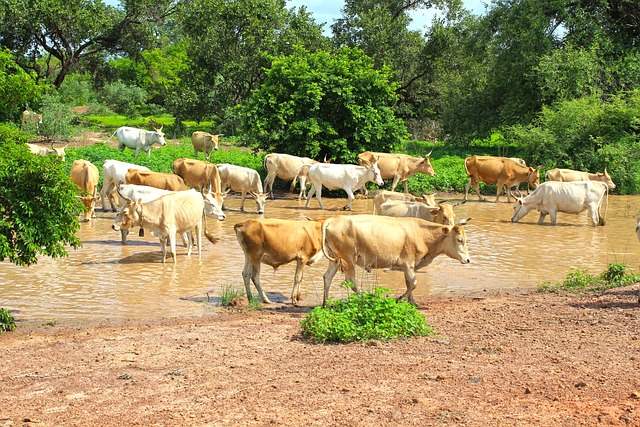
Despite the progress in vaccination and surveillance, the ministry has raised serious concerns regarding stray and free-roaming livestock, particularly in communal areas south of the VCF. Officials warn that uncontrolled animal movements could undermine the extensive efforts to contain the disease. The movement of unmonitored animals compromises disease surveillance, traceability, and the effective implementation of containment measures.
To address this, the ministry is working with local authorities and the Namibian Police to strengthen livestock monitoring and enforce movement restrictions. The government also plans to engage traditional authorities, farmers, and affected communities to address the issue of uncontrolled livestock movements. This engagement takes into account communal land-tenure arrangements and the livelihoods of livestock owners, recognizing the need for a balanced approach that respects local customs while ensuring public health safety.
The ministry emphasized that effective disease control requires collective responsibility and cooperation. Communities and livestock owners are urged to work closely with veterinary officials and law-enforcement authorities. Key requirements for compliance include:
- Ensuring all animals are properly identified and registered with relevant authorities.
- Reporting any suspected infections or unauthorized livestock movements immediately to veterinary officials.
- Taking responsibility for ensuring that livestock do not roam uncontrolled in communal areas.
- Complying strictly with movement restrictions outlined in Veterinary Public Notification No. 20 of 2026.
Livestock owners, farmers, traders, and transporters are reminded that restrictions on the movement of animals and animal products remain in force. The ministry continues to stress that adherence to these regulations is critical for the success of the national FMD containment strategy.
Next Steps in Disease Management
As the vaccination campaigns continue, the focus remains on maintaining the current trajectory of no new infections outside affected zones. The completion of the second round of vaccinations in Zambezi by January 2027 is a critical milestone. Following this, the ministry will likely assess the need for further rounds or adjustments to surveillance protocols based on the epidemiological data collected.
The involvement of private veterinarians and the integration of traditional authorities into the containment strategy highlight a multi-faceted approach to disease management. By combining scientific surveillance with community engagement, the government aims to create a sustainable framework for preventing future outbreaks.
The ministry’s ongoing efforts underscore the importance of vigilance and cooperation in managing animal diseases. With strict adherence to movement restrictions and continued vaccination, Namibia aims to protect its livestock industry and maintain its status in international trade markets that require FMD-free certification.