The African Energy Chamber (AEC) has urged the Namibian government to expedite petroleum licensing processes and eliminate regulatory bottlenecks as the nation approaches its first commercial oil production. In its State of African Energy 2027 Outlook, developed in collaboration with S&P Global Energy, the chamber highlighted that Namibia has the potential to supply more than 300,000 barrels per day to the continent’s oil output by the mid-2030s.
This projection rests on major offshore discoveries and ongoing investment in petroleum development projects. However, the AEC cautioned that extended licensing procedures, regulatory ambiguity, and delays in finalizing commercial agreements pose significant risks. These factors could disrupt project development timelines and deter the international capital required to sustain momentum in the sector.
NJ Ayuk, the AEC Executive Chairman, emphasized that the country has already achieved the difficult task of proving the world-class quality of its offshore basins and attracting major global energy firms. He stated that investors are unable to wait indefinitely for licenses, approvals, and regulatory clarity. "Speed is not the enemy of scrutiny; unnecessary delay is," Ayuk said, noting that Namibia’s opportunity to become a major African oil producer is time-sensitive.
Legislative Changes and Political Debate
Central to the call for faster approvals is the proposed Petroleum (Exploration and Production) Amendment Bill. The legislation aims to address regulatory uncertainty by transferring responsibility for the upstream petroleum sector from the Ministry of Industries, Mines and Energy to the Office of the Presidency. The bill also establishes an Upstream Petroleum Unit tasked with managing licensing, regulatory compliance, and petroleum data.
The National Assembly approved the bill in principle during its second reading on 20 October 2026. President Netumbo Nandi-Ndaitwah has defended these institutional changes, arguing that centralizing authority under the Presidency will improve administrative efficiency and reduce delays in licensing and approvals. However, the proposal has faced criticism from opposition lawmakers who are concerned about the concentration of regulatory power.
The AEC viewed the proposed legislation as a critical opportunity to improve the administration of petroleum exploration and development. The chamber recommended that Namibia adopt more proactive acreage licensing strategies to maintain exploration investment. Specific suggestions included introducing digital licensing systems, enhancing access to geological data, and establishing clearly defined exploration commitments for licence holders.
Industry Developments and Global Context
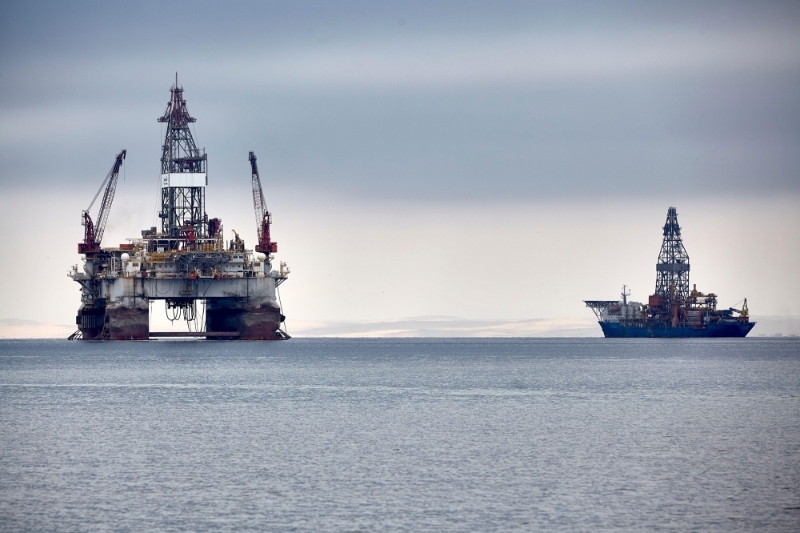
Namibia’s upstream petroleum industry is currently transitioning from the exploration phase toward potential commercial development. Several international energy companies are advancing projects that could define the country’s early production capabilities. TotalEnergies is working toward a final investment decision for its Venus project, which targets a production capacity of approximately 150,000 barrels per day. This decision is contingent on the conclusion of outstanding commercial agreements.
Other key developments in the sector include:
- Appraisal activities are progressing at the Mopane discovery, with a final investment decision targeted for 2028.
- Rhino Resources is advancing exploration and appraisal at Petroleum Exploration Licence 85, following the completion of its Capricornus-1A appraisal well in June 2026, with a potential final investment decision targeted for 2027.
- QatarEnergy agreed in November 2026 to acquire a 25% participating interest in PEL 82 from Chevron.
- bp completed the acquisition of a 60% interest and operatorship in three exploration licences within the Walvis Basin.
International interest in Namibia’s offshore petroleum sector continues to grow, reflecting broader trends across the continent. According to the AEC outlook, Africa accounted for approximately two-thirds of global deepwater acreage awarded in 2025. The chamber warned that Namibia must maintain investment momentum as major offshore discoveries move toward development decisions, especially as other African petroleum-producing countries compete for exploration and development capital.
Strategic Imperatives
The AEC emphasized that Namibia’s competitiveness in attracting international upstream investment depends on its ability to streamline regulatory frameworks and demonstrate commitment to project development. The outlook suggests that while the country has secured interest from some of the biggest names in global energy, retaining that interest requires decisive action.
By addressing the concerns regarding regulatory delays and institutional structure, Namibia can position itself to capitalize on the projected surge in African oil production. The chamber’s recommendations focus on creating a more transparent and efficient environment for license holders, ensuring that the country’s extraordinary resources translate into tangible economic benefits without unnecessary administrative hurdles.