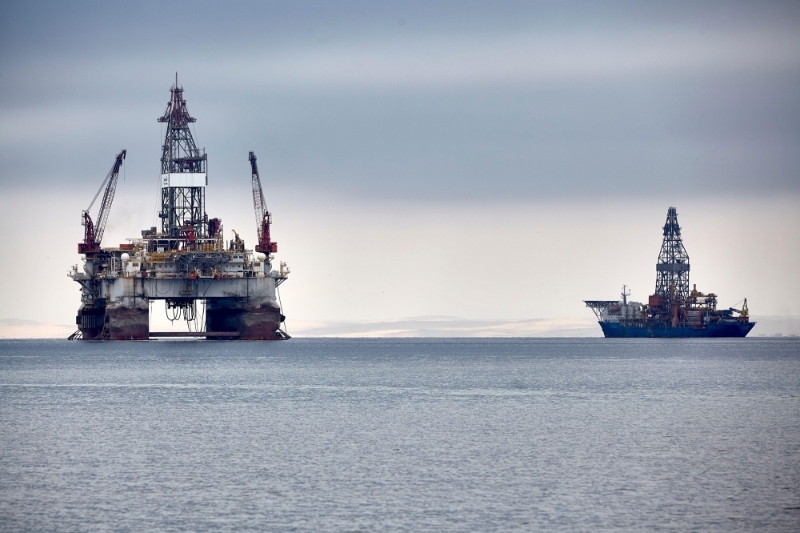
Namibia’s potential entry into the global oil and gas market carries significant economic promise, according to a new macroeconomic assessment. A study commissioned by Standard Bank Namibia suggests that the nation’s offshore petroleum projects could become a major engine for growth, potentially adding US$18 billion to the gross domestic product annually and creating hundreds of thousands of jobs over the next quarter-century.
The analysis focused on the Venus, Capricornus and Mopane projects, evaluating their economic footprint from 2026 through 2051. While the headline figures are substantial, industry leaders and government officials caution that these numbers are projections rather than guarantees. The actual impact will hinge on how effectively the country manages reinvestment and ensures that value flows into the domestic economy rather than remaining offshore.
Economic Projections and Financial Impact
The study utilises industry data and modelling assumptions from Wood Mackenzie and the Natural Resource Governance Institute to forecast the sector's contribution. Beyond the US$18 billion annual GDP impact, the report outlines broader financial benefits. These include approximately US$15 billion in gross national income and up to US$55 billion in national capital formation.
Standard Bank Group Head of Oil and Gas Coverage for Southern Africa, Paul Eardley-Taylor, highlighted the fiscal advantages as well. The projections indicate balance of payments benefits of around US$6 billion and more than US$5 billion in annual fiscal income for the government. These figures illustrate the scale of potential revenue, though they remain contingent on the successful development of the projects.
Employment Realities and Reinvestment
A critical distinction in the report is between direct employment and the broader economic ripple effects. Helena Tunga Mboti, Standard Bank Namibia Economist, clarified that direct jobs created through oil and gas operations and supporting services total approximately 11,000. The remaining employment gains, which account for the bulk of the 581,000 figure, depend on how petroleum revenues are distributed across the wider economy.
Mboti stressed that without strategic reinvestment, the majority of the projected employment potential could remain unrealised. The study indicates that 89 percent of the jobs are reliant on the fact that reinvestment must happen and that benefits must be spread across entire sectors. This underscores the importance of policy frameworks that channel oil wealth into other industries to sustain long-term job creation.
Local Participation and Development
Ensuring that Namibians benefit from the industry is a primary concern for policymakers. Kornelia Shilunga, Presidential Special Adviser and Head of the Upstream Petroleum Unit, noted that the scale and complexity of the opportunity require collaboration between government, international operators, businesses, financial institutions, and educational bodies.
To achieve meaningful local participation, Shilunga argued that investment must focus on skills development, technical capacity, and entrepreneurship. This approach aims to ensure that Namibian businesses are equipped to engage with the petroleum sector rather than remaining on the periphery. The government’s priority is to translate offshore production into tangible domestic investment and business opportunities.
Erwin Tjipuka, Standard Bank Namibia Chief Executive Officer, echoed the need for realism regarding the timeline and outcomes. He noted that the three projects are at different stages of development, meaning assumptions may evolve as the projects progress. The true measure of success, he stated, will be what the discovery ultimately means for the lives and livelihoods of Namibians.
Key elements identified in the study include:
- The Venus, Capricornus and Mopane projects are the focus of the economic assessment.
- Direct employment is estimated at 11,000 jobs, while total economic employment could reach 581,000.
- Annual fiscal income is projected to exceed US$5 billion.
- National capital formation could reach up to US$55 billion over the project lifespan.
- 89 percent of total jobs depend on reinvestment into other economic sectors.
As Namibia moves forward, the challenge lies in aligning project development with national economic goals. The projections provide a roadmap of potential benefits, but realizing them requires coordinated effort and strategic management of resources. The coming years will determine whether the oil and gas sector becomes a transformative force for the Namibian economy or falls short of its ambitious targets.