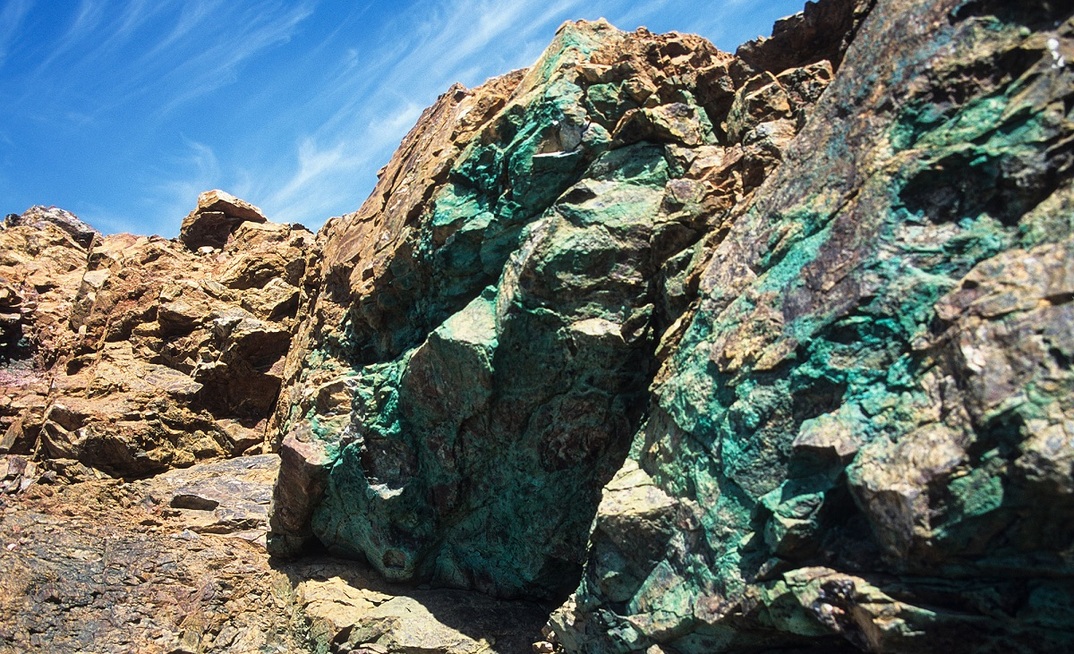
Ongwe Minerals has announced encouraging preliminary results from its inaugural drilling programme at the Nguni gold project in Namibia, signaling the potential for a substantial deposit. The Canadian-listed explorer stated that the findings from the first phase of exploration point toward the existence of a large gold system, marking a significant step forward since initial soil sample discoveries were made six months ago.
The company reported that the drilling programme uncovered several zones containing gold, with the most notable intervals providing strong assay values. The best results included a 20-metre section of gold-bearing rock and another measuring 12 metres. The 12-metre interval returned an average grade of 1.58 grams of gold per tonne, while the 20-metre section averaged 1.31 grams per tonne. These figures form the basis of the company's current assessment of the project's potential.
Expansion of Mineralized Zone
Since the initial discovery of gold traces in soil samples in May 2026, Ongwe has significantly expanded the known extent of the mineralization. The company noted that further exploration efforts have extended the area showing signs of gold by approximately 2.8 kilometres to the northwest. This expansion has resulted in a continuous gold-bearing zone stretching for more than nine kilometres.
In addition to the primary discovery area, Ongwe has identified three separate zones exhibiting signs of gold located about five kilometres to the southeast of the main find. The company indicated that these additional areas will need further investigation to determine the volume of gold they may contain. The Nguni project is situated roughly 55 kilometres east of WIA Gold’s Kokoseb project and 14 kilometres east of Ongwe’s own Manga gold discovery, placing it within a recognized mineral belt.
Drilling Progress and Geological Insights
Ongwe chief executive Dave Underwood highlighted the speed at which the company moved from initial discovery to completing its first drilling campaign. The firm has completed 44 drill holes at Nguni, covering a total of 5,135 metres. While results have been received for 35 of these holes, data from the remaining nine holes are still pending.
Underwood noted that the drilling has provided critical geological insights, particularly regarding the relationship between surface soil samples and underlying rock structures. He explained that gold found in soil samples does not always indicate the precise location of the source rock. This complexity has necessitated the use of additional exploration methods to pinpoint the most promising areas for drilling. The company found that some of the most encouraging results emerged in zones where different types of rock intersect, a geological feature that will guide future targeting.
Next Steps in Exploration
Looking ahead, Ongwe plans to conduct further soil sampling and geological surveys to better define the full size of the discovery before resuming drilling activities. The company aims to return to drilling in early 2027. In the interim, Ongwe is working to finalize land access agreements with the landowner. These agreements are intended to facilitate continued exploration work across a wider area connecting the Manga and Nguni discoveries.
Key details from the current exploration phase include:
- The strongest assay result came from a 12-metre interval averaging 1.58 grams of gold per tonne.
- A 20-metre interval returned an average grade of 1.31 grams of gold per tonne.
- The gold-bearing area has been extended by 2.8 kilometres to the northwest.
- Three additional gold signs were identified five kilometres southeast of the main discovery.
Ongwe emphasized that the results are preliminary exploration findings. The company has not yet established a confirmed gold resource or determined whether the discovery can be mined commercially. Despite this, management remains encouraged by the data and expects further exploration to provide a clearer understanding of the size and potential of the Nguni gold discovery.
Strategic Context
The announcement comes as Ongwe seeks to build on its existing portfolio in Namibia. The proximity of Nguni to the Manga discovery and the nearby Kokoseb project by WIA Gold underscores the region's geological promise. By expanding the known mineralized footprint and identifying new target areas, Ongwe is positioning itself to potentially increase the project's scale. The company’s focus on refining exploration techniques to overcome the disconnect between surface samples and bedrock sources suggests a methodical approach to resource definition. As the company moves toward finalizing access agreements and planning the next drilling phase, the industry will be watching to see if the preliminary indicators translate into a viable economic resource.