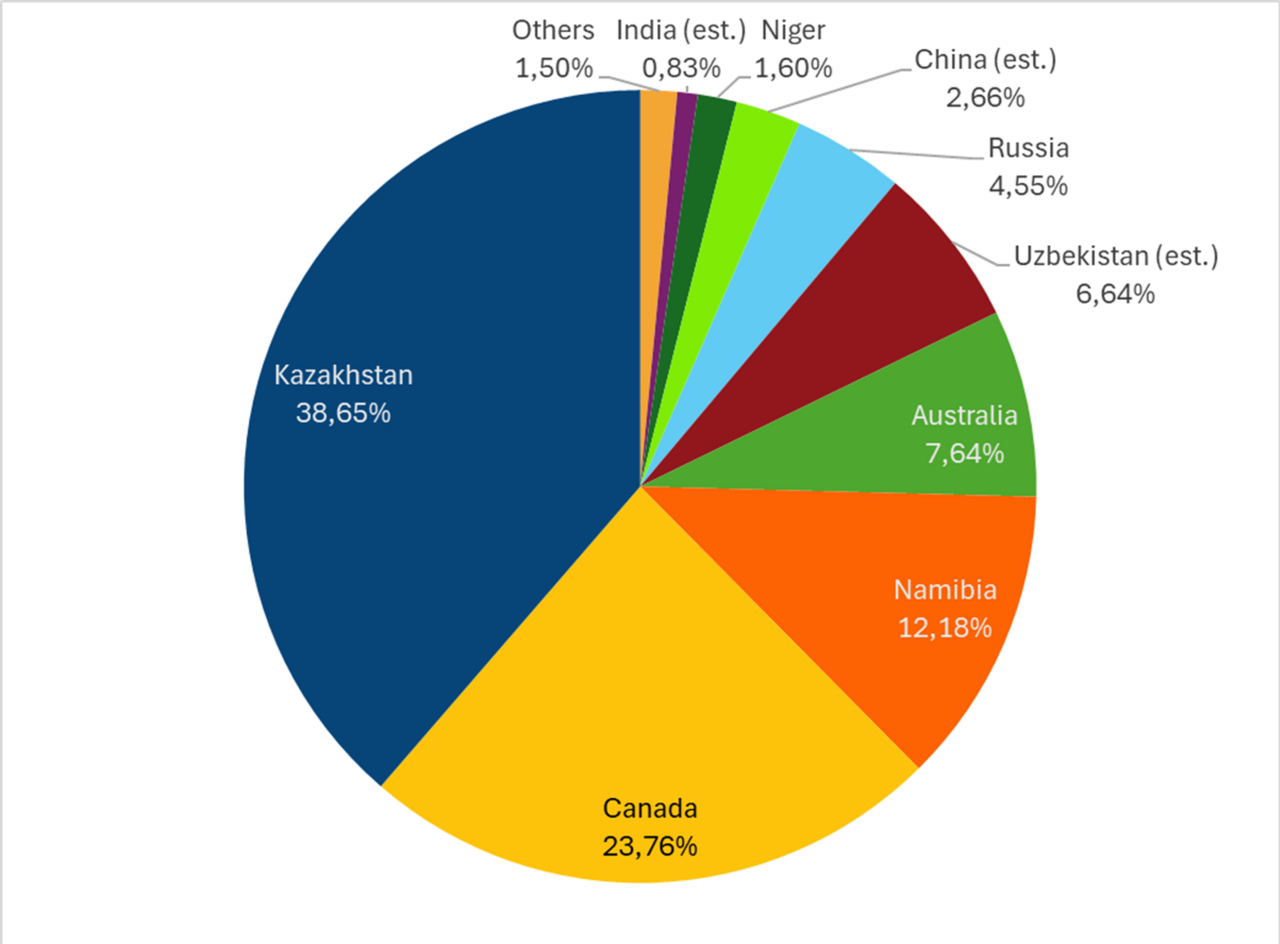
The Namibian government is facing increasing pressure to address concerns surrounding a Russia-led uranium project in the Opuwo East area. The project, led by ARMZ, a subsidiary of Russian state nuclear company Rosatom, aims to mine uranium at the site, raising fears about water pollution and long-term environmental damage.
The Kunene River, a vital water source for the region, runs through the Opuwo East area and is at risk of contamination due to uranium mine tailings. Environmentalists and local residents have expressed worry about the potential consequences for the ecosystem and local communities.
Citing concerns about radioactive contamination, Namibian environmentalists have called for the project to be abandoned. They argue that the decision to approve the project has been hasty and has overlooked the potential risks.
Market analysts have noted that the project has significant investment implications, potentially affecting uranium supply chains and global market dynamics. However, it's essential to note that market analysis should not be considered as financial advice.
The Namibian government is yet to take action to address the risks associated with the project. Local residents and environmental groups are urging the government to reconsider its stance and protect the region's ecosystem and water source.