The United Nations Economic Commission for Africa (UNECA) has formally called on Namibia to explore small modular nuclear reactors as a viable solution for the country’s expanding electricity requirements. The recommendation comes as the nation seeks to diversify its energy mix to support industrial development and address the limitations of current power sources.
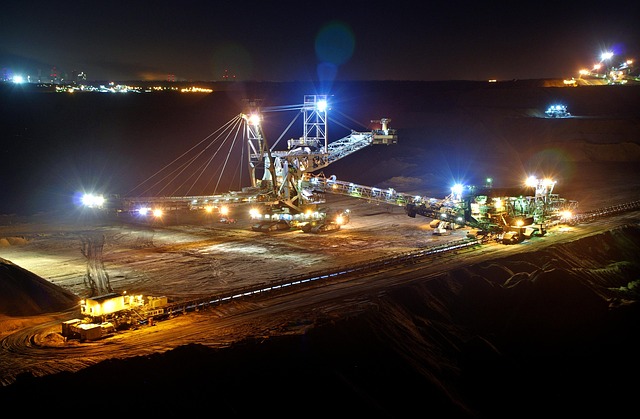
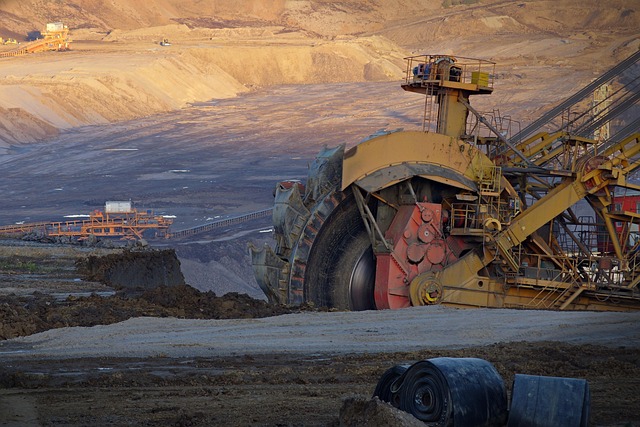
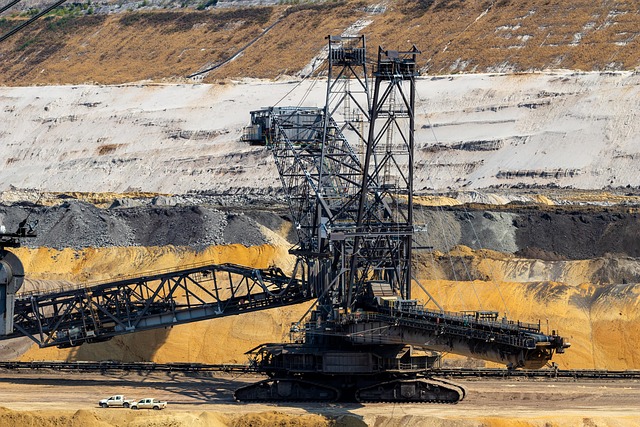
Oliver Maponga, a representative for the UNECA, emphasized that Namibia’s established uranium mining sector presents a unique opportunity to integrate nuclear power generation into the national grid. Speaking during a panel discussion focused on energy connectivity and regional market integration, Maponga noted that the country is well-positioned to utilize its natural resources for both industrial and household consumption.
Maponga argued that advancements in nuclear technology, specifically modular designs, offer a practical alternative for countries aiming to stabilize their power supplies. He stated that these technologies could generate energy suitable for heavy industrial use, helping to reduce reliance on other forms of generation that may be less consistent.
The push for nuclear energy aligns with broader concerns in the Southern African Development Community (SADC) region regarding energy security. Kudakwashe Ndhlukula, representing the SADC Centre for Renewable Energy and Energy Efficiency, pointed out that Namibia has already taken significant steps toward this goal by appointing a Nuclear Commissioner to lead the initiative.
Ndhlukula warned that the region faces increasing pressure to meet electricity demand from both manufacturing and household sectors. He highlighted that the rise of digital infrastructure, particularly data centers, creates additional strain on power grids due to their continuous and high-volume energy needs.
According to Ndhlukula, providing reliable power for basic manufacturing is a prerequisite for supporting energy-intensive digital industries. He described data centers as "power hungry monsters" that require uninterrupted 24/7 supply, suggesting that nuclear power could play a significant role in meeting these specific demands.
The discussion took place against a backdrop of prolonged droughts affecting hydropower production across Southern Africa. This environmental challenge has intensified the need for diversified electricity generation sources that are not dependent on rainfall.
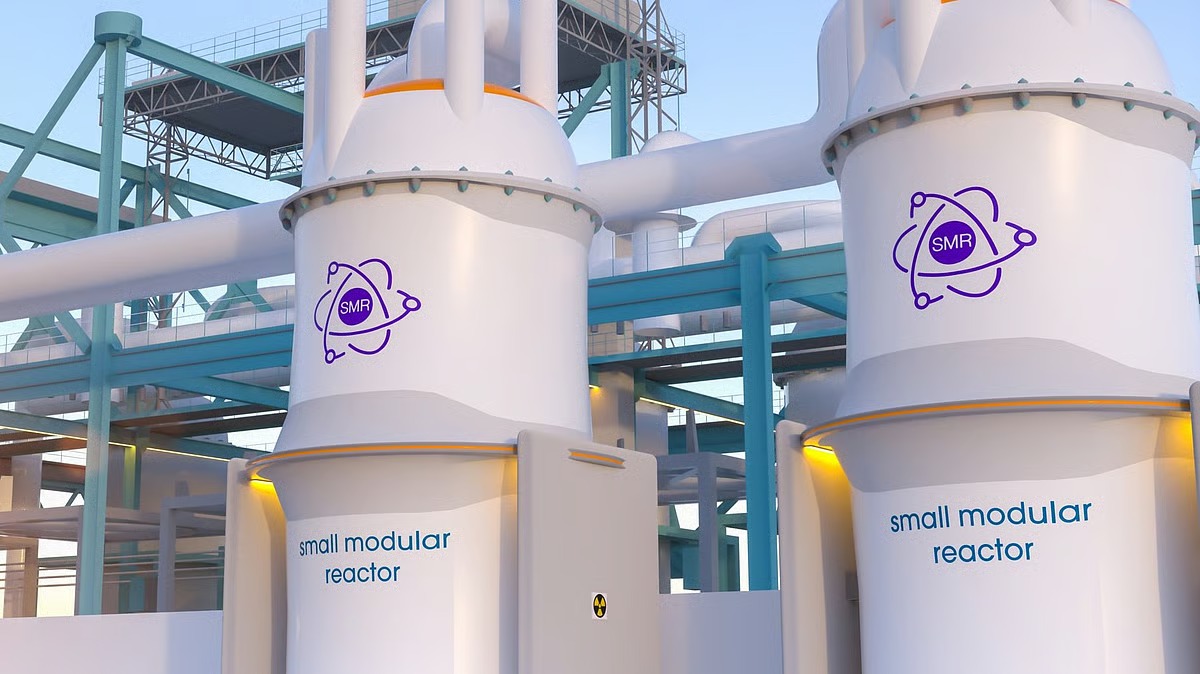
Namibia’s government and utility providers are actively evaluating the feasibility of nuclear power. The state-owned utility, NamPower, is currently assessing small modular reactor technology that can generate approximately 120 megawatts of electricity. This capacity is viewed as a potential source of baseload power to complement existing generation methods.
The path toward nuclear energy in Namibia involves extensive regulatory and technical preparations. The country has initiated consultations with the International Atomic Energy Agency (IAEA) to develop plans for a nuclear power plant. This process is expected to take at least a decade to complete, reflecting the complexity of establishing such infrastructure.
Key developments in Namibia’s nuclear energy strategy include:
- NamPower is evaluating small modular reactors with a generation capacity of around 120 megawatts for baseload electricity.
- The government has appointed a Nuclear Commissioner to oversee the development of nuclear energy policies and infrastructure.
- Official consultations with the International Atomic Energy Agency have begun, with a timeline of at least 10 years for plant development.
- The UNECA has identified reliable and affordable electricity as essential for expanding manufacturing and supporting mineral beneficiation under the African Continental Free Trade Area.
The UNECA stressed that integrating regional power markets and strengthening electricity interconnections are critical for improving supply reliability. These measures are seen as vital for supporting industrial growth and strengthening regional industrial value chains across Eastern and Southern Africa.
While the timeline for nuclear power implementation is long, the immediate focus is on exploring the potential of small modular reactors. These smaller-scale units are being explored internationally as a flexible option for continuous electricity generation, suitable for both industrial facilities and national grids.
As Namibia navigates the early stages of this potential energy transition, the integration of its uranium mining industry with domestic power generation remains a central theme. The goal is to create a self-sustaining energy model that leverages local resources to support broader economic development.