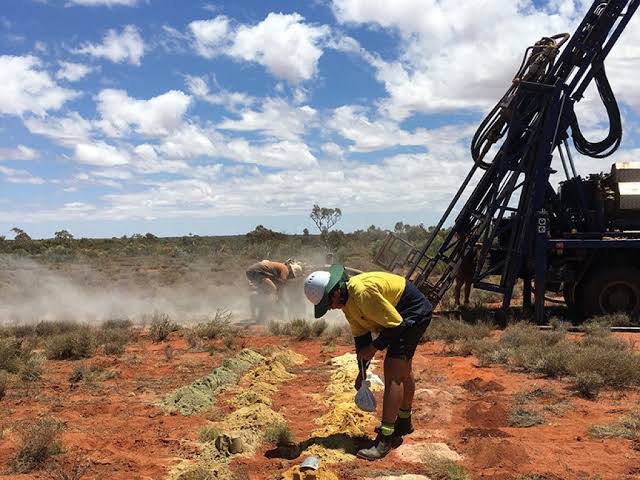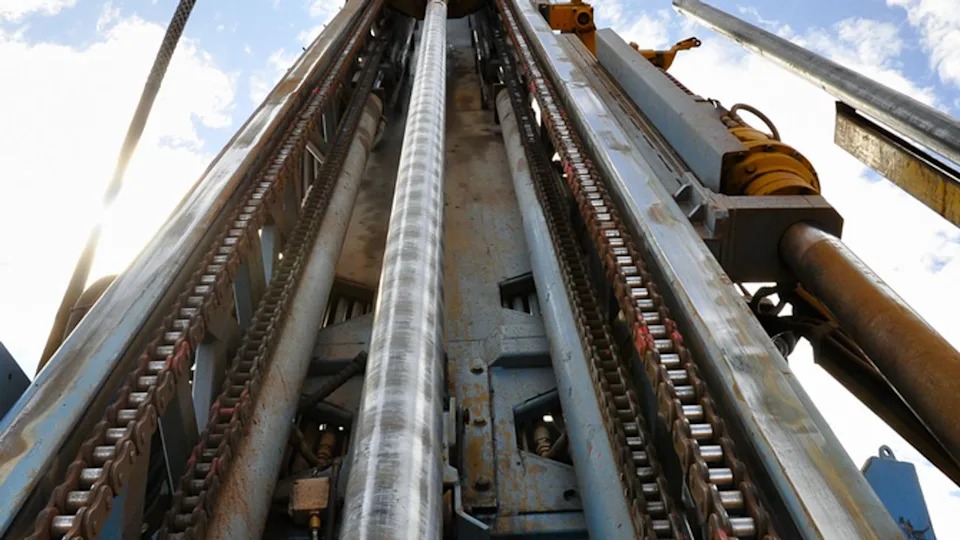
London-listed Arkle Resources PLC has mobilised a drilling rig to the Erongo Region to begin the second phase of exploration at its Onyofi Uranium Project. The company announced on Monday that the new programme will involve approximately 1,700 metres of reverse circulation drilling, a process expected to take three weeks to complete.
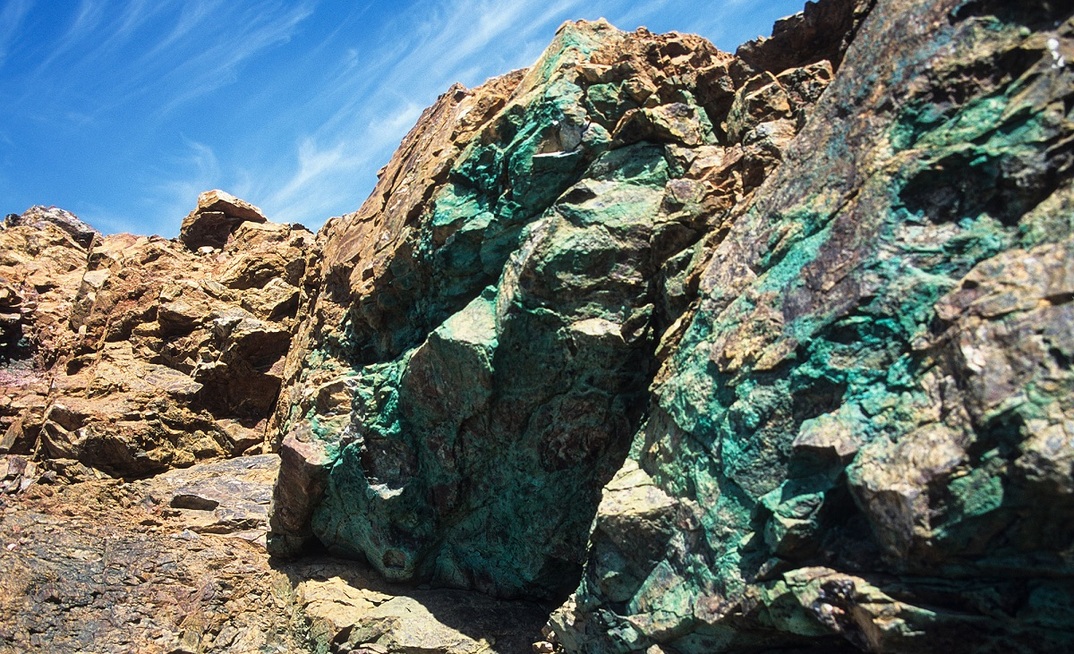
This latest activity follows the success of the company’s maiden exploration programme, which confirmed uranium mineralisation within the uraniferous leucogranite target. The initial drilling intersected uranium in eight out of nine holes, identifying a mineralised system that spans roughly 1.4 kilometres by 600 metres. Mineralisation was detected from the surface down to nearly 200 metres, with the system remaining open at depth, suggesting potential for further expansion.
Strategic Exploration Objectives
The second-phase drilling is designed to test the uraniferous leucogranite system at greater depths and with closer spacing than the initial programme. It will also extend laterally beyond the current known footprint to assess the continuity of higher-grade zones identified previously. These steps are critical for the company as it works toward a maiden mineral resource estimate targeted for 2027.
In addition to the main drilling campaign, the company will conduct downhole radiometric surveys and submit samples for laboratory analysis. Results will be reported as they become available. Arkle is also continuing geological mapping, sampling, and trenching across its exploration licences throughout November. This includes investigations of additional uranium targets on Exclusive Prospecting Licence 8290 and a large palaeochannel target on EPL 8298, where ground geophysical surveys have been undertaken.
Leadership Oversight and Context
Arkle Chief Executive Officer Rory Harding is currently in Namibia overseeing the start of the drilling programme and assessing the results of the ongoing trenching activities. His presence on the ground underscores the company’s focus on evaluating the exploration data as it is generated. The Onyofi Uranium Project is located adjacent to Orano’s Trekkopje mining licence, situating Arkle’s assets within a known uranium-producing region.
Arkle acquired an 85% interest in Namibia Uranium (Pty) Ltd in January 2026. This acquisition secured access to four exploration licences covering approximately 540 square kilometres in the Erongo Region. The company’s immediate goal is to use the data from the current drilling and geological work to refine its understanding of the deposit’s geometry and grade.
Upcoming Updates
Arkle Resources has scheduled an investor webinar for 18 November 2026. The session will provide updates on the uranium discovery, the progress of exploration activities, and the company’s plans for resource estimation. This communication is intended to keep stakeholders informed as the drilling programme progresses and initial results from the second phase are processed.
Key elements of the current exploration strategy include:
- Drilling approximately 1,700 metres of reverse circulation holes to test depth and lateral continuity.
- Conducting downhole radiometric surveys to correlate geological data with radiometric signatures.
- Submitting drilling samples for laboratory assay to determine precise uranium grades.
- Continuing geological mapping and trenching across multiple exploration licences in the Erongo Region.
The company maintains that the completion of the maiden mineral resource estimate in 2027 is subject to the results of these ongoing exploration and drilling programmes. As the three-week drilling campaign proceeds, all data will be integrated into the broader geological model to support future resource definition efforts. The proximity to existing operations like Trekkopje may also influence future infrastructure and logistical planning, though specific details on such synergies were not detailed in the current announcement. Arkle’s focus remains firmly on the technical execution of the current phase to validate the extent of the uranium mineralisation discovered in the initial drilling round.