Namibia’s merchandise export earnings experienced a monthly contraction in September 2026, dropping by 3.4% to reach N$12.2 billion. According to the International Merchandise Trade Statistics Bulletin released by the Namibia Statistics Agency (NSA), this decline contrasts sharply with the 64.8% year-on-year increase in earnings compared to the same period in 2025. The data underscores the volatility inherent in commodity-driven economies, where monthly fluctuations can obscure longer-term growth trends.
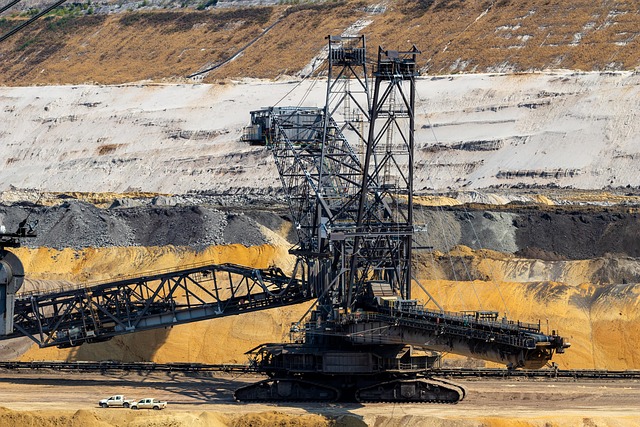
The mining and quarrying sector remained the dominant force in the export landscape, contributing N$6.2 billion to the total. This figure represents more than half of all Namibian merchandise export earnings for the month. However, the sector itself saw a reduction in value, recording a decline of N$266 million compared to August 2026. Despite this dip, the sector’s sheer scale continues to anchor the country’s external trade performance.
China trade surplus offsets national deficit
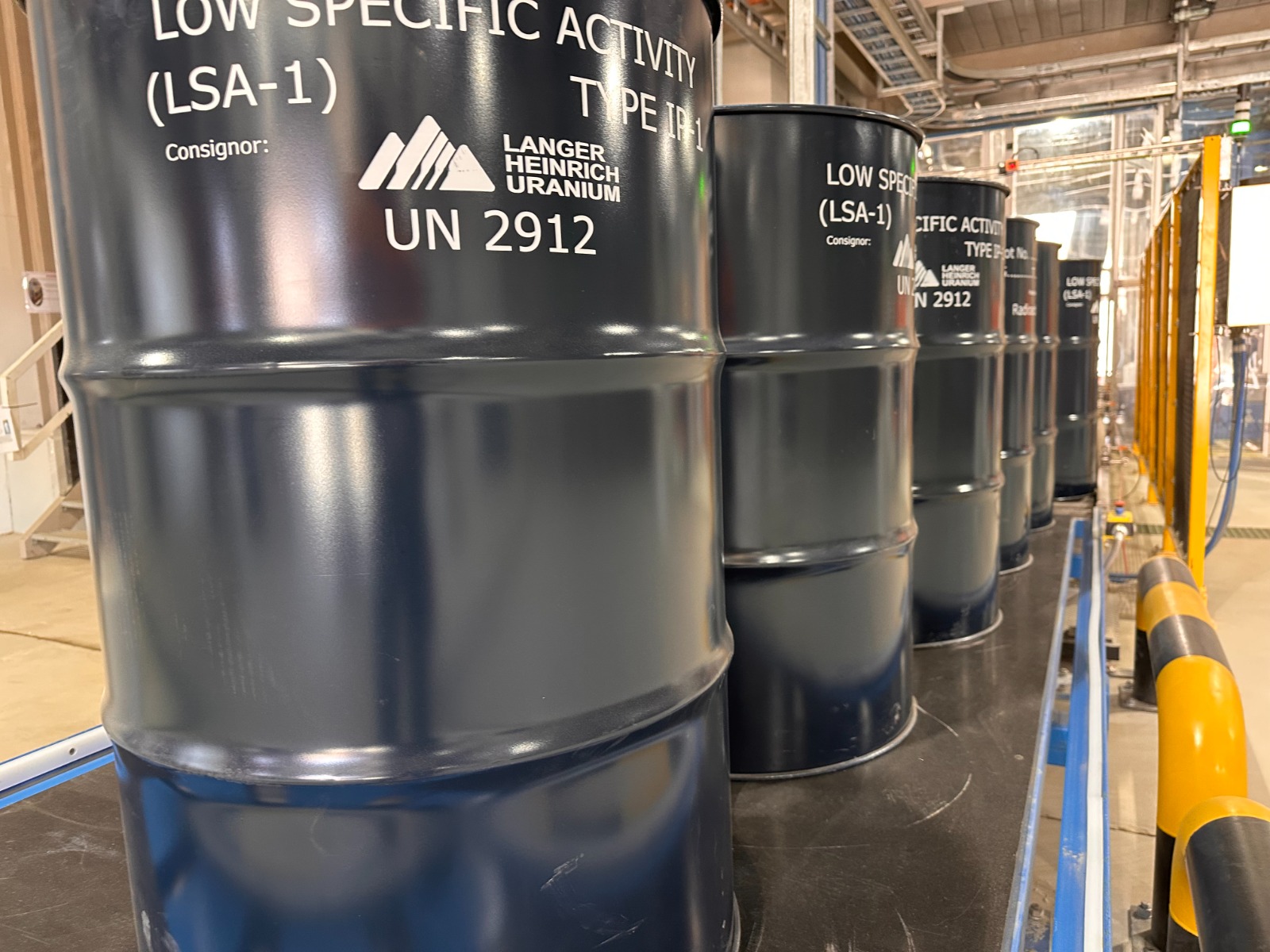
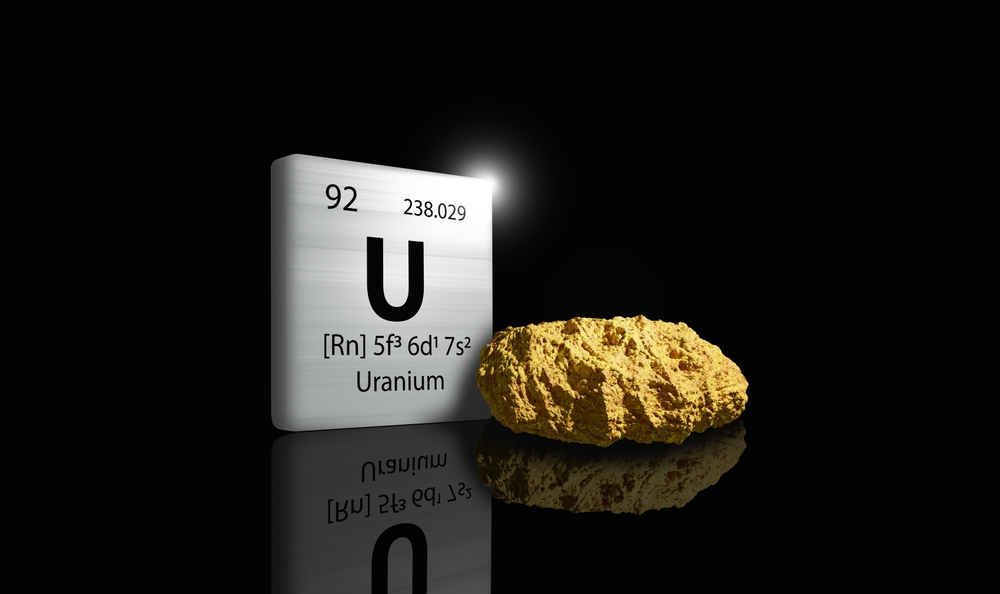
A significant portion of Namibia’s export success in September was driven by trade with China. Uranium exports to the Asian nation generated N$3.4 billion, making it the single largest export commodity for the month. These shipments accounted for 27.7% of the country’s total export earnings. The NSA report highlighted that all uranium exports during this period were destined for China, reinforcing the bilateral trade relationship’s importance.
This strong performance with China helped Namibia record a trade surplus of N$2.4 billion with the country during September. This surplus provided a counterbalance to the broader national trade picture, where the overall deficit widened. The country’s import bill reached N$16.9 billion, leading to a merchandise trade deficit of N$4.7 billion. This represents a significant increase from the N$3.9 billion deficit recorded in August 2026.
Other key commodities and trade balances
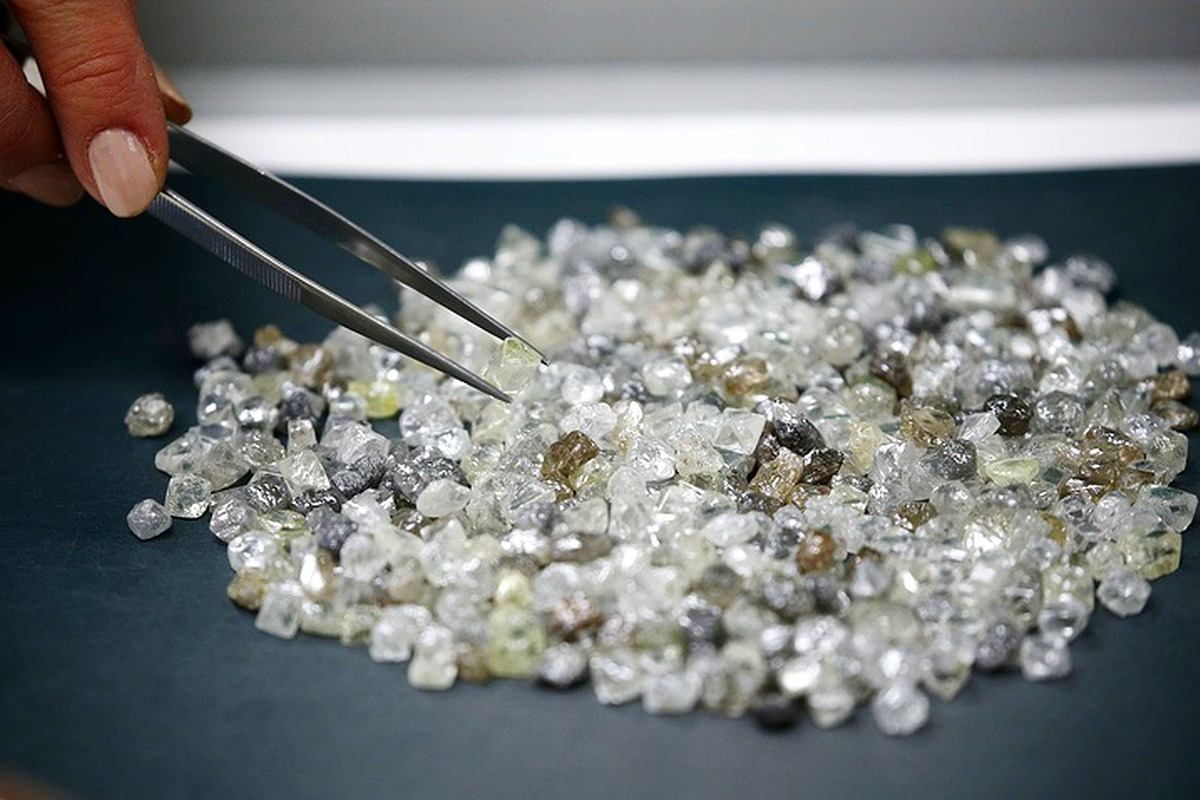
Beyond uranium, other mineral commodities played crucial roles in shaping the trade data. Non-monetary gold was the second-largest export commodity, generating N$1.4 billion and accounting for 11.2% of total exports. All gold shipments were destined for South Africa. The NSA noted that Namibia recorded trade surpluses on several key commodities, including fish, which contributed a surplus of N$1.0 billion.
Other notable mineral exports included nickel ores and concentrates, valued at N$736 million, and ores and concentrates of base metals, which generated N$709 million. These figures highlight the diverse range of resources contributing to the mining sector’s overall output, even as the sector experienced a slight monthly downturn.
The NSA emphasized that uranium and gold remained among the leading sources of export revenue, contributing significantly to the country’s merchandise trade earnings. The data illustrates the critical reliance on specific high-value commodities to maintain trade surpluses with key partners, even when the broader national trade balance faces pressure from rising import costs.
Key export figures for September 2026 include:
- Uranium exports to China valued at N$3.4 billion, representing 27.7% of total exports.
- Non-monetary gold exports to South Africa valued at N$1.4 billion, accounting for 11.2% of total exports.
- Total merchandise exports of N$12.2 billion, a 3.4% decrease from August.
- Total imports of N$16.9 billion, resulting in a N$4.7 billion trade deficit.
Sectoral composition and future outlook
The mining and quarrying sector’s continued dominance in export earnings underscores its strategic importance to Namibia’s economy. While the sector’s monthly performance dipped, its annual contribution remains substantial. The NSA’s report indicates that the sector’s ability to generate surplus revenue, particularly through uranium, is vital for offsetting the widening national trade deficit.
The trade surplus with China, driven largely by uranium, demonstrates the potential for specific bilateral trade relationships to mitigate broader economic imbalances. However, the widening national deficit suggests that import levels remain high relative to export growth. The NSA’s data provides a clear snapshot of how commodity prices and export volumes directly influence the country’s external trade position.
As Namibia continues to rely on its natural resources, the performance of the mining sector will remain a key indicator of economic health. The specific focus on uranium and gold exports highlights the country’s position in the global supply chain for these critical materials. Future trade balances will likely depend on maintaining these export volumes while managing the cost of imports.
The NSA’s latest bulletin serves as a critical reference for understanding the dynamics of Namibia’s external trade. By detailing the specific contributions of uranium, gold, and other minerals, the report provides insight into the factors driving the country’s economic interactions with major partners like China and South Africa. The data confirms that while monthly exports may fluctuate, the underlying value of Namibia’s resource sector remains a cornerstone of its trade strategy.