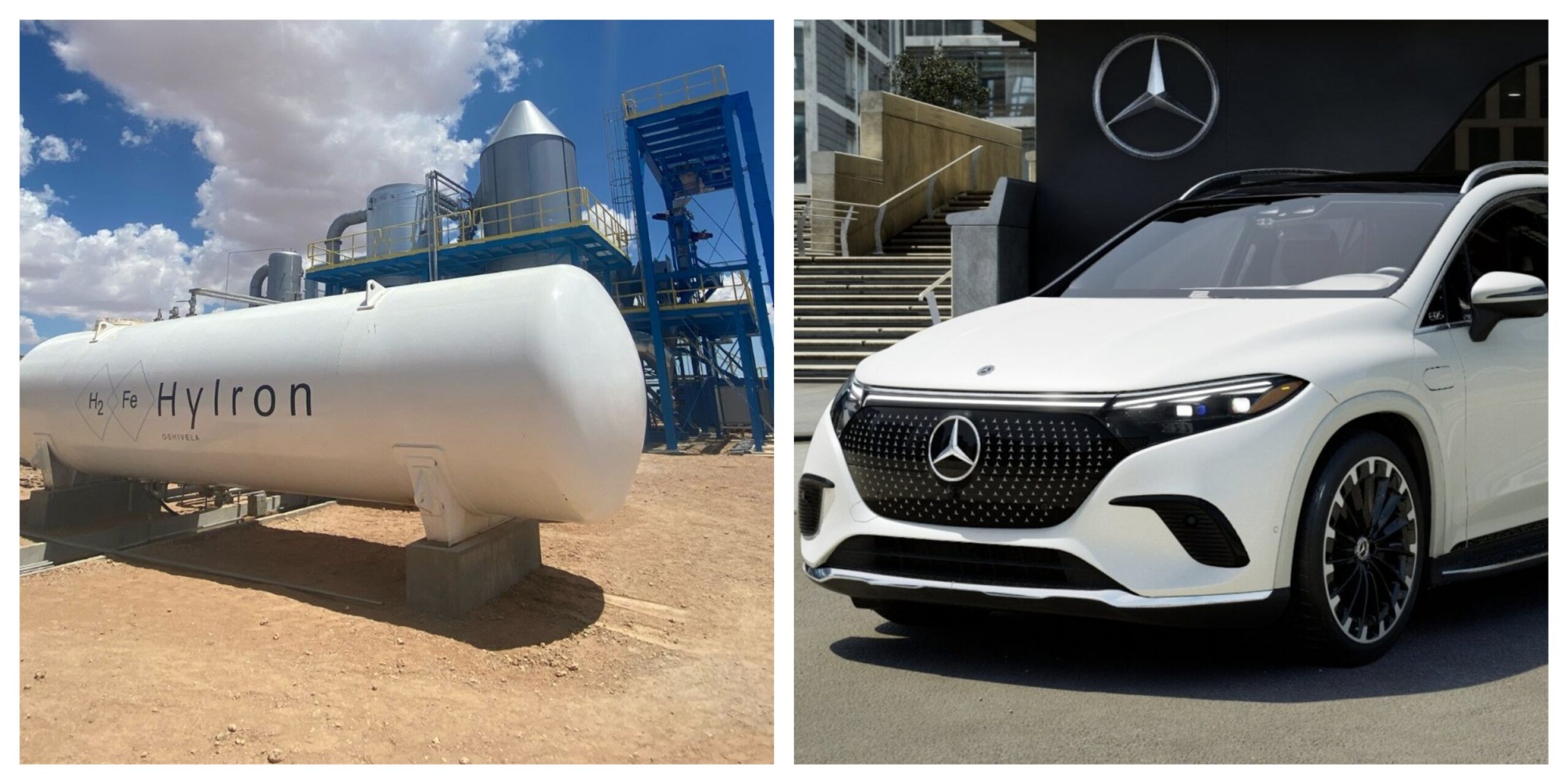
Mercedes-Benz and the German-Namibian enterprise HyIron have formalized their collaboration through a Memorandum of Understanding, marking a significant step toward the industrial scaling of low-carbon iron production. The agreement was announced during the Mercedes-Benz Sustainability Dialogue 2026, signaling a strategic move to integrate responsible raw material sourcing with aggressive emissions reduction targets.
Industrial Scaling of Green Technology
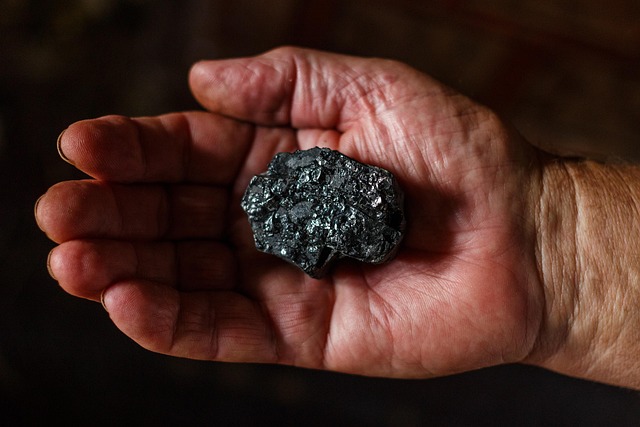
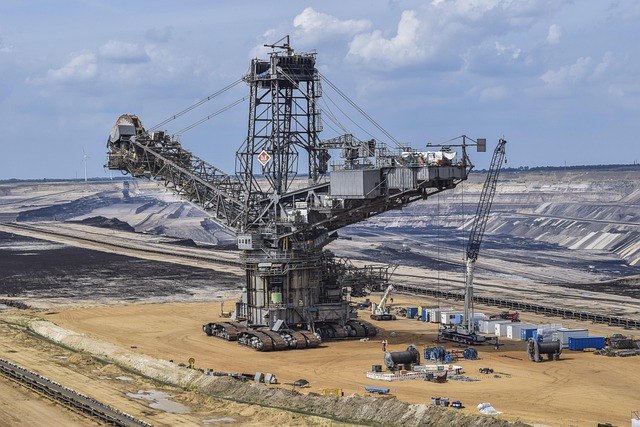
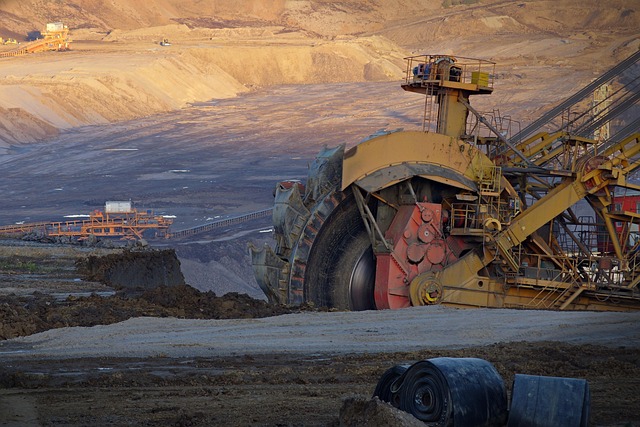
The declaration of intent represents a transition from experimental phases to potential series application within the automotive steel supply chain. This partnership builds upon previously proven results from a joint pilot project that involved mining company Anglo American and HyIron. In that initiative, South African iron ore fines were successfully reduced to iron using green hydrogen.
The resulting material was processed into a demonstrator component for the all-electric Mercedes-Benz EQS, validating the technical feasibility of the process. The new MoU aims to test and validate this technology for industrial mass production. By moving forward with this agreement, both organizations are taking their collaboration to the next level, focusing on transparency and the decarbonization of heavy industry.
Environmental Impact and Production Metrics
At the heart of this initiative is HyIron’s innovative technology, which replaces coal with green hydrogen in a rotary kiln process. This method allows for entirely carbon-neutral iron production, addressing one of the most challenging sectors for global decarbonization. The environmental benefits are quantified by the amount of greenhouse gases avoided during the manufacturing process.
Key metrics from the project highlight the scale of potential impact:
- Every ton of iron produced using HyIron’s process saves approximately 1.8 tons of CO₂ compared to traditional production methods.
- The Oshivela plant is projected to save 27,000 tons of CO₂ annually, contributing significantly to global energy transition goals.
- The facility is set to become one of the largest primary production sites for green iron worldwide.
HyIron, established through a partnership of Namibian and German companies, emphasizes that net-zero industrial manufacturing of iron is already economically competitive. The company asserts that this approach delivers positive environmental and economic impacts throughout the entire value chain.
Infrastructure and Local Implementation
The operational hub for this initiative is located on Farm Bloemhof 109 in Arandis, within the Erongo region of Namibia. HyIron is actively expanding its on-site infrastructure to support the scaling of production. The company has already received two 6-megawatt electrolyzers, which are currently being installed at the facility.
These electrolyzers are critical components that enable the production of green hydrogen on-site. Their installation lays the foundation for climate-friendly iron production, representing a groundbreaking innovation for the heavy industry sector. The presence of these advanced systems at the Oshivela plant underscores the commitment to rapid scaling and the implementation of renewable energy solutions in mining and metallurgy.
Strategic Implications for the Supply Chain
According to Mercedes-Benz, the project serves as a blueprint for integrating transparency, responsible sourcing, and emissions reduction from the mine to the finished vehicle component. This holistic approach addresses the carbon footprint of raw materials, which is a growing concern for automakers aiming to meet net-zero targets.
The collaboration highlights the potential for Namibia to position itself as a key player in the global green hydrogen and green steel economy. By leveraging local resources and international expertise, the partnership aims to demonstrate that sustainable industrial practices can be both viable and scalable. The success of the industrial validation phase will determine the extent to which this model can be replicated in other sectors of the automotive supply chain.