Koryx Copper has outlined the substantial financial commitments required to bring its Haib Copper Project to life, identifying an initial capital investment of N$34.8 billion. This figure, equivalent to approximately US$2.06 billion, is necessary to develop the asset located in Namibia’s //Kharas Region. The company’s recently concluded pre-feasibility study indicates that the project will require further sustaining capital of N$10.8 billion over its projected 24-year operating life, bringing the total capital expenditure to roughly N$45.7 billion.
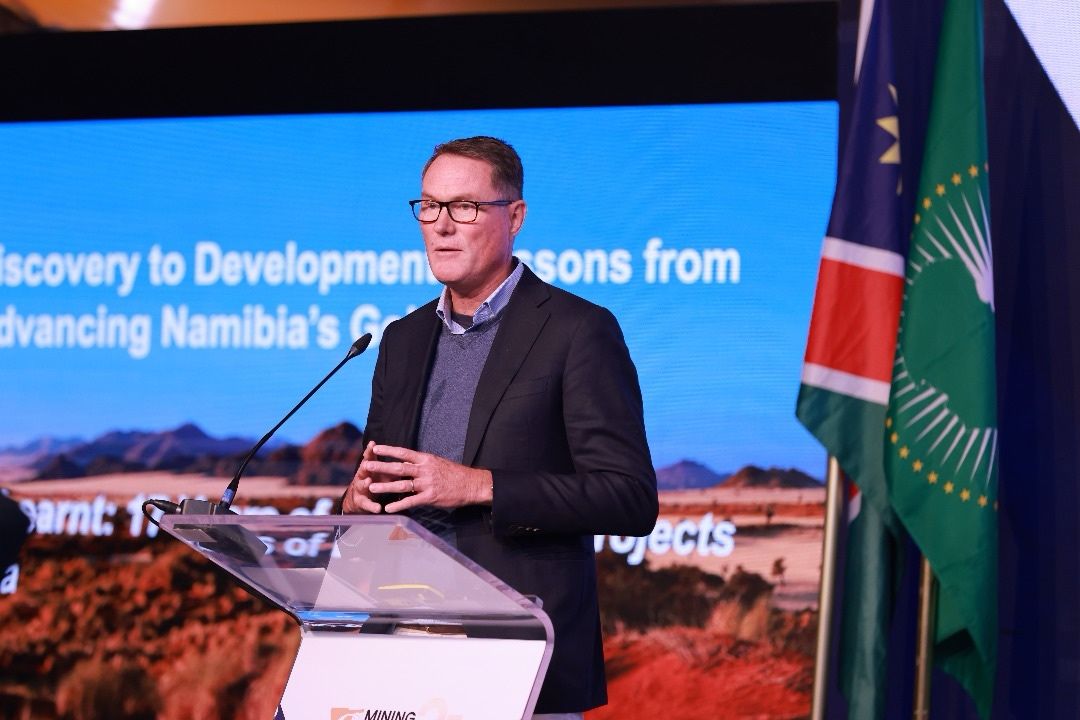
The company’s leadership has expressed satisfaction with the study outcomes, noting that the results surpassed initial internal expectations. Heye Daun, Koryx Copper’s president and chief executive officer, emphasized that the immediate focus for the next twelve months will be on finalizing the definitive feasibility study, securing necessary financing, and obtaining regulatory approvals. Daun stated that the strategic plan involves finishing permitting processes to allow for early works to commence late in 2027, with full construction set to begin in the first quarter of 2028.
Capital Allocation Breakdown
The pre-feasibility study provides a detailed breakdown of how the initial N$34.8 billion investment will be allocated across various components of the project infrastructure. The processing plant, which includes the construction camp and operational facilities, represents the single largest portion of the initial outlay. The remaining funds are designated for essential support infrastructure, water supply, housing, and risk mitigation.
Key components of the initial capital expenditure include:
- N$22.3 billion for the processing plant, construction camp, and operational facilities.
- N$1.8 billion dedicated to bulk water supply infrastructure.
- N$2.25 billion allocated for project contingency funding.
- N$456.8 million designated for mine housing.
Production Projections and Financial Returns
The Haib project is positioned as a significant contributor to Namibia’s mineral output, with the pre-feasibility study detailing robust production forecasts. The proposed open-pit mine is designed to yield an average of 135,000 tonnes of copper annually during its first ten years of operation. In addition to copper, the facility is expected to produce 17,000 ounces of gold and 1.22 million pounds of payable molybdenum each year during this initial phase.
Over the mine’s full 24-year lifespan, Haib is projected to produce approximately 2.61 million tonnes of copper derived from sulphide and oxide or transitional material. The study estimates that these operations will generate cumulative after-tax cash flows of N$125.6 billion. Financial metrics derived from the study highlight the project's potential profitability, citing an after-tax net present value of N$42.9 billion, an internal rate of return of 25%, and a capital payback period of 3.9 years.
Resource Base and Future Steps
The foundation for these production targets rests on a substantial mineral resource base. The project has an estimated mineral resource containing 4.35 million tonnes of copper. Furthermore, the study identified a maiden probable mineral reserve containing approximately three million tonnes of copper, providing the geological certainty required to move forward with development planning.
Koryx Copper plans to undertake a strategic options and project financing review in 2027. This review will coincide with the completion of the definitive feasibility study, a critical step intended to support a final investment decision. The company aims to secure major regulatory approvals, including a mining licence and an environmental clearance certificate, by mid-2027. Subject to the success of financing efforts and regulatory clearances, preparatory construction activities are expected to begin towards the end of 2027.