Namibia’s mining sector recorded a significant downturn in September 2026, with the mining production index contracting by 16.9% on a month-on-month basis. This sharp decline follows a 4.4% contraction in August, marking the second consecutive monthly drop in output. The Namibia Statistics Agency (NSA) attributed the fall primarily to reduced production across several key commodities, including zinc, diamonds, gold, and uranium.
The overall mining production composite index fell by 6.5% year-on-year. This represents a substantial deterioration compared to the 0.3% annual decline recorded in September 2025, indicating increasing pressure on the country’s major mineral-producing industries. The NSA highlighted that the September figures reflect continued challenges across the sector, with zinc and diamond production showing the most pronounced monthly contractions.
Zinc Production Leads Decline
Zinc concentrate and contained zinc production recorded the largest monthly decline among major mineral commodities. The zinc production index fell by 35.4% in September, effectively reversing the 26.8% increase that had been recorded in August. Output dropped from 7,176 tonnes in August to 4,633 tonnes in September, a reduction of 2,543 tonnes.
Despite the monthly drop, zinc production remained below the 4,714 tonnes produced in September 2025. Consequently, the zinc production index declined by 1.7% on an annual basis. The NSA noted that this steep monthly fall in zinc concentrate and contained zinc production was the primary driver of the overall mining sector’s contraction for the month.
Diamond and Gold Sector Performance
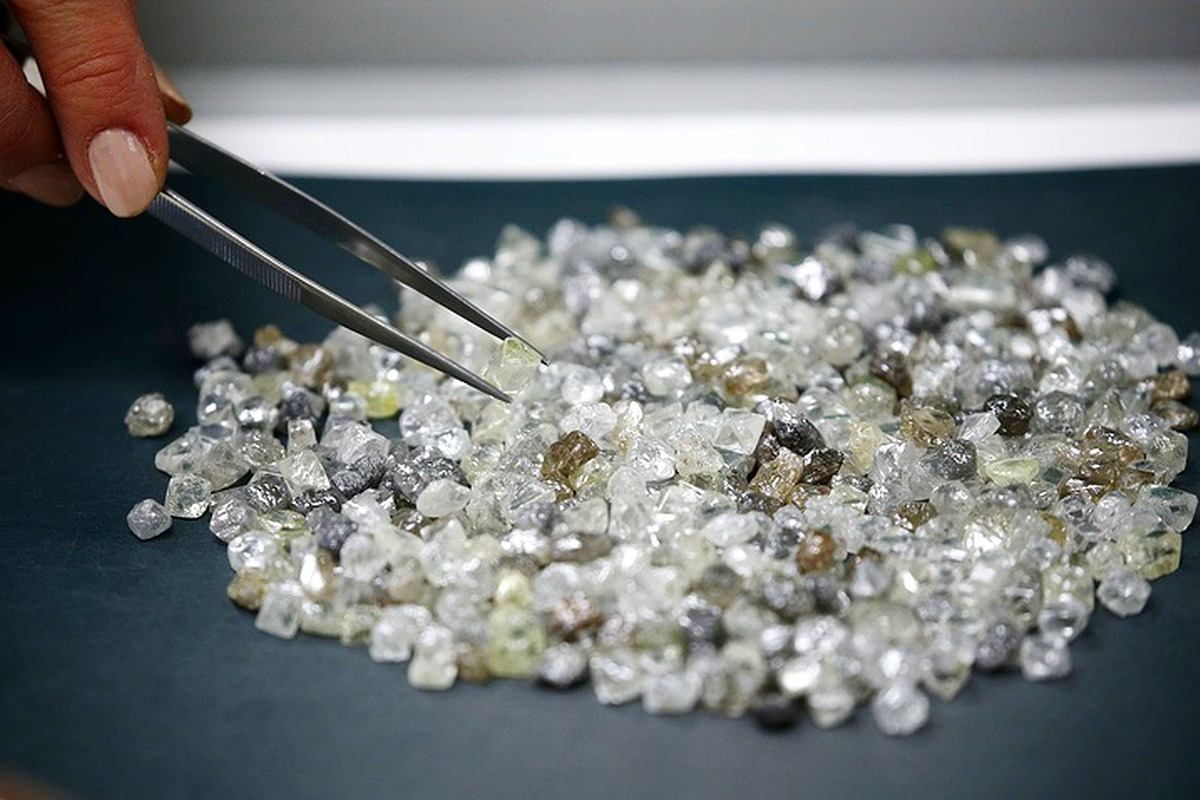
Diamond production recorded the second-largest monthly contraction, with its production index falling by 21.4%. This followed a 12.1% decline in August. Diamond output decreased to 131,377 carats in September from 167,214 carats in August, representing a reduction of 35,837 carats. However, production remained 3.2% higher than the 127,254 carats recorded in September 2025, indicating modest year-on-year growth despite the recent monthly volatility.
Gold bullion production also saw a decline, with the production index contracting by 12.2% month-on-month after a 3.6% increase in August. Output fell to 507 kilogrammes from 578 kilogrammes in August. On an annual basis, gold production declined by 35.7% from the 788 kilogrammes recorded in September 2025. This annual contraction was significantly steeper than the 12.2% decline observed in the corresponding month of the previous year, marking gold as having the largest year-on-year decline among the four monitored mineral commodities.
Uranium and Sector Outlook
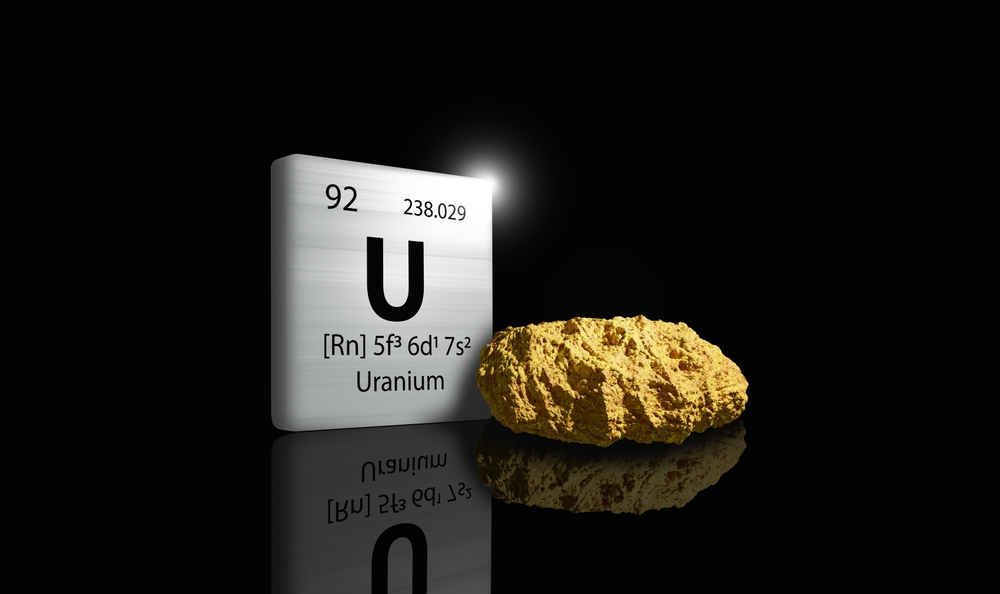
Uranium production declined by 7.4% month-on-month, reversing an 8.1% increase recorded in August. Output fell to 879 tonnes from 949 tonnes in August, a reduction of 70 tonnes. Despite the monthly decrease, uranium production remained marginally above the 877 tonnes recorded in September 2025, representing annual growth of 0.2%. This annual increase was substantially below the 22% growth recorded in September 2025.
The combined effect of these declines has resulted in the second consecutive monthly contraction for the overall mining production index. The data reflects ongoing pressure on output across Namibia’s major mineral-producing industries. The following key figures illustrate the specific performance of the affected commodities:
- Zinc concentrate production fell 35.4% to 4,633 tonnes, reversing August’s 26.8% gain.
- Diamond output dropped 21.4% to 131,377 carats, though it remained 3.2% above September 2025 levels.
- Gold bullion production decreased 12.2% to 507 kilogrammes, marking a 35.7% annual decline.
- Uranium output fell 7.4% to 879 tonnes, with annual growth slowing to 0.2% from 22% previously.
The NSA’s report underscores the volatility in Namibia’s mining sector, with zinc and diamond production leading the recent downward trend. The year-on-year data suggests that while some commodities like diamonds and uranium maintain slight annual growth, the pace has slowed considerably compared to previous years. Gold production, meanwhile, faces significant annual challenges. The sector’s performance in September highlights the need for continued monitoring of production trends as the year progresses.