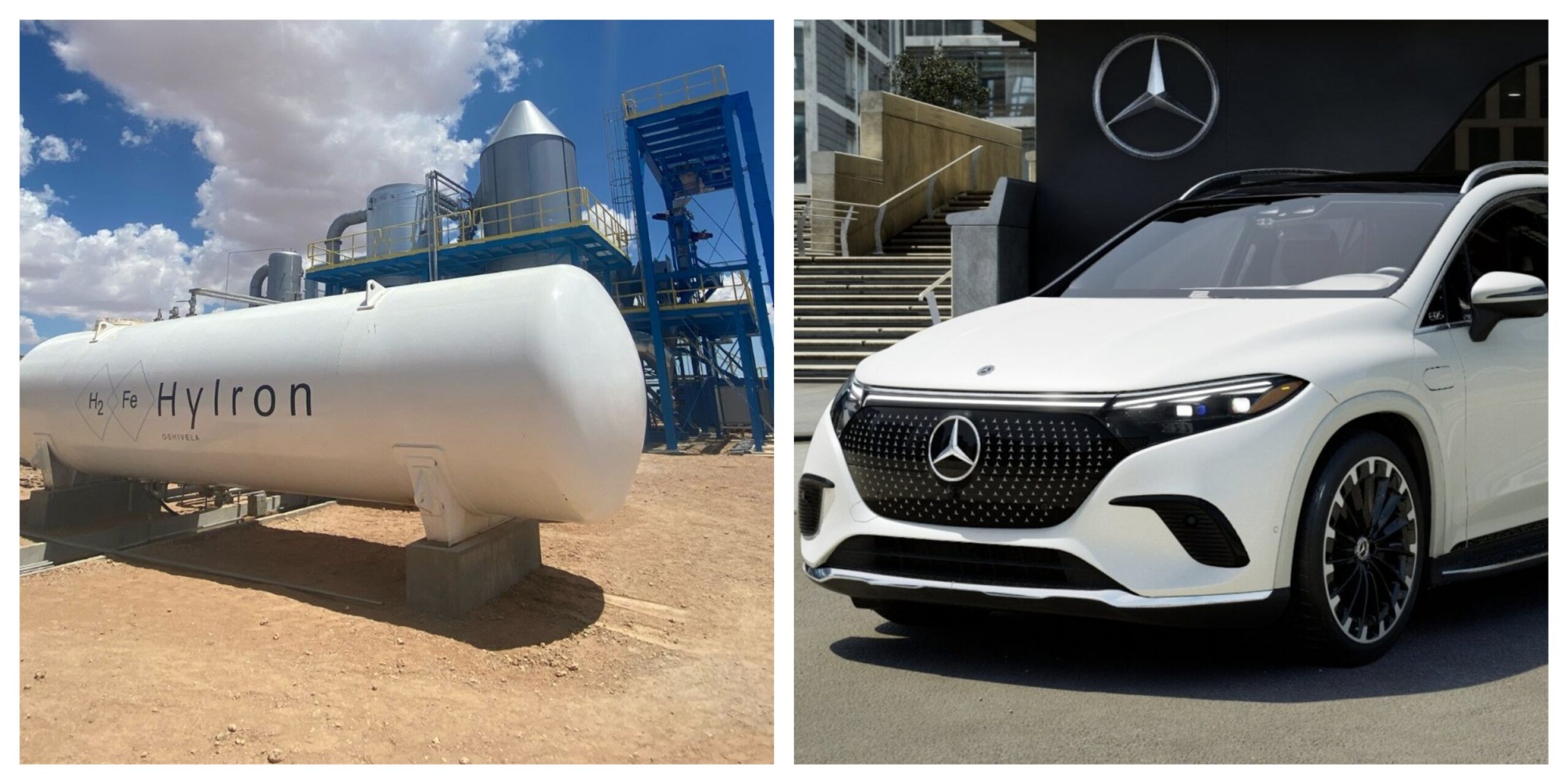
Mercedes-Benz has entered into a formal collaboration with German-Namibian firm Hylron to explore the viability of producing low-carbon iron in Namibia. The agreement, structured as a Memorandum of Understanding, was signed on 10 November 2026 during the Mercedes-Benz Sustainability Dialogue 2026. This move signals the automotive giant’s intent to decarbonize its supply chain by sourcing materials that significantly reduce the environmental impact of steel production.
The primary objective of this partnership is to assess whether Hylron’s technology can be scaled to meet the rigorous demands of industrial mass production. The companies will evaluate if the iron produced through this method can integrate seamlessly into Mercedes-Benz’s existing automotive steel supply chain. This initiative aligns with the manufacturer’s broader strategy to enhance transparency and responsible sourcing across its global operations.
Validating green hydrogen technology
The foundation for this agreement rests on the success of a prior pilot project involving mining company Anglo American and Hylron. That trial demonstrated the technical possibility of producing iron from South African iron ore fines by substituting coal with green hydrogen as the reducing agent. The resulting iron was processed into a demonstrator component for the all-electric Mercedes-Benz EQS, proving its potential application in high-end automotive manufacturing.
Hylron’s facility in Oshivela, Namibia, utilizes a rotary kiln process that replaces traditional coal with green hydrogen. According to the company, this specific method offers substantial environmental benefits, potentially reducing carbon dioxide emissions by approximately 1.8 tonnes for every tonne of iron produced when compared to conventional production techniques. The new agreement will focus on validating this technology for large-scale operations and determining its commercial viability.
Supply chain integration and future steps
The collaboration extends beyond mere production validation. The parties will examine how low-carbon iron production can be integrated into a comprehensive supply chain that covers raw material extraction, processing, and the manufacture of finished vehicle components. This holistic approach aims to link Namibia’s emerging green hydrogen industry directly to international automotive manufacturing hubs.
Key aspects of the current agreement include the following elements:
- Assessment of the commercial and technical feasibility of scaling up production at Hylron’s Oshivela plant.
- Validation of the technology to ensure it meets the specific requirements of Mercedes-Benz’s automotive steel supply chain.
- Examination of integration pathways for raw material extraction and processing within the broader supply network.
- Exploration of how low-carbon iron can be sourced responsibly to support the manufacturer’s emission reduction goals.
Project status and market implications
Despite the high-profile nature of the partnership, the agreement remains at the technical validation stage. Mercedes-Benz and Hylron have not announced any binding supply agreements for Namibia-produced iron, nor have they disclosed specific investment amounts, commercial production capacities, or timelines for industrial-scale operations. The companies are currently focused on determining whether the resulting iron can consistently meet the stringent standards required for automotive manufacturing.
If successful, this partnership could open a new market for Namibia’s green hydrogen sector by creating a direct link between local production and global automotive demand. However, until the technical and commercial feasibility studies are complete, the project remains a strategic exploration rather than a confirmed industrial venture. The outcome of this assessment will determine whether Namibia can establish itself as a significant player in the global market for low-carbon steel materials.