Namibia’s energy sector is entering a pivotal period as the government moves to expand petroleum infrastructure while simultaneously navigating the complexities of green hydrogen development. On Wednesday, President Netumbo Nandi-Ndaitwah is scheduled to officially launch the Dangote Namibia Tank Farm and Regional Pipeline Project located at Farm 58, just outside Walvis Bay. This event underscores the state’s commitment to building the foundational logistics required for an emerging petroleum economy.
The commissioning of this facility adds significant weight to the country’s hydrocarbon ambitions. It serves as a tangible marker of progress in a sector that has attracted substantial international interest following recent offshore discoveries. The project is part of a broader effort to establish Namibia as a key player in regional energy distribution, leveraging its strategic coastal position.
The Green Hydrogen Pathway
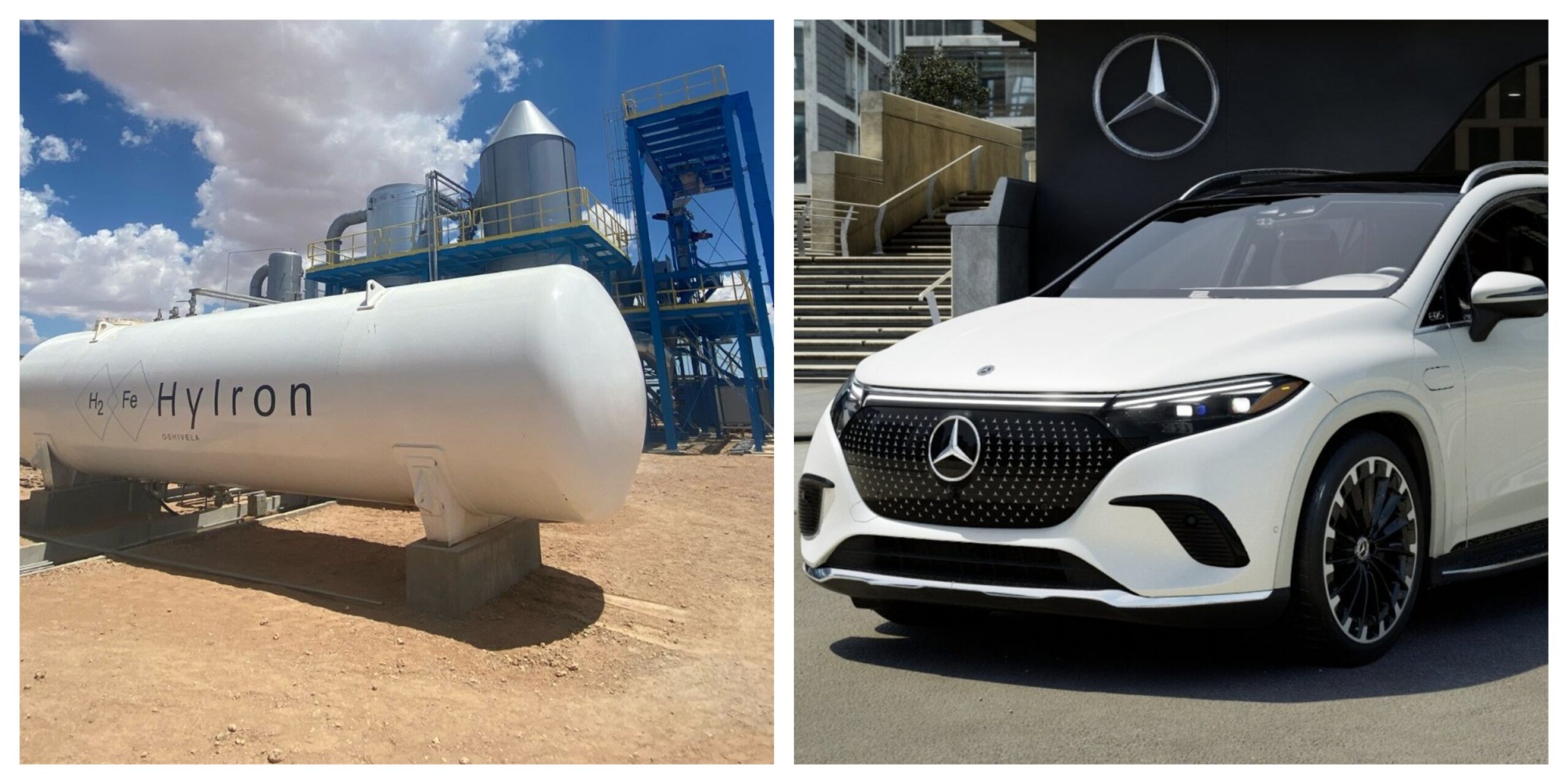
While oil infrastructure takes shape, the legacy of former President Hage Geingob’s push for green industrialization remains a central pillar of national policy. The flagship Hyphen project, situated in the Tsau //Khaeb National Park near Lüderitz, represents one of the most ambitious renewable energy initiatives in the region. Planned as a US$10 billion investment, the project targets the annual production of two million tonnes of green ammonia at full scale.
Commercialization of the Hyphen project has faced delays, with stakeholders now targeting a final investment decision for the first phase by the end of 2027. Securing financing, establishing necessary infrastructure, and locking in long-term offtake agreements remain critical hurdles. In September 2026, the African Development Bank selected Hyphen for prospective development funding of US$5.93 million, following an earlier US$10 million grant. These funds are designed to improve project readiness rather than finance construction, highlighting the substantial capital gap that must be bridged before production begins.
Oil Discoveries and Investment Timelines
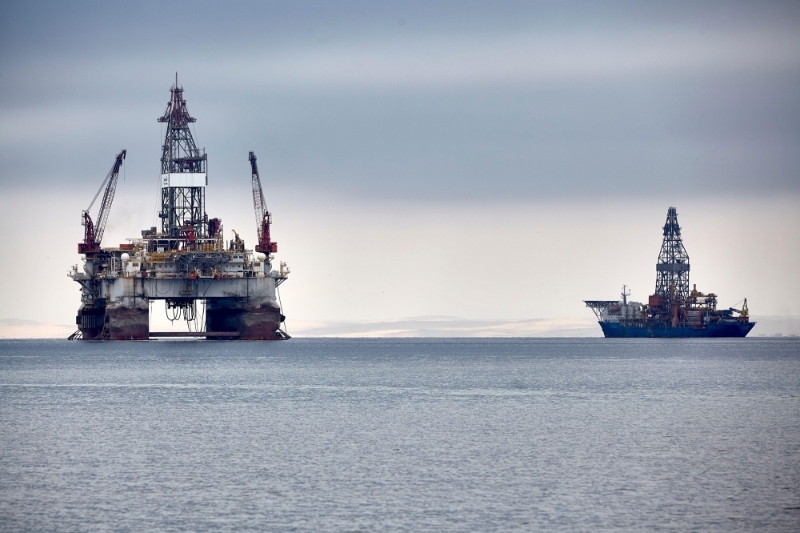
The discovery of hydrocarbons in the Orange Basin has introduced a new dynamic to Namibia’s energy landscape, drawing major global players into exploration and appraisal activities. Companies such as TotalEnergies, Shell, Galp Energia, QatarEnergy, and Rhino Resources are working alongside the state-owned National Petroleum Corporation of Namibia (NAMCOR). A significant milestone was reached in September 2026 when TotalEnergies completed the acquisition of a 40% operated interest in Petroleum Exploration Licence 83, which contains the Mopane discovery.
TotalEnergies is currently planning a three-well appraisal campaign and is targeting a potential final investment decision in 2028. These developments have fueled expectations that commercial oil production could commence around 2030. However, industry observers caution that discoveries do not automatically equate to proven commercial production. Appraisal results, development costs, regulatory approvals, and investment decisions will ultimately determine whether these resources can be developed economically.
Policy and Governance Challenges
President Nandi-Ndaitwah has consistently rejected the notion that Namibia must choose between hydrocarbons and green energy. Speaking at the Unstoppable Africa 2026 conference in New York, she emphasized that the country requires diverse energy sources to support industrialization and address the wider energy deficit in Southern Africa. This dual approach aims to reduce emissions while developing new skills and securing export earnings.
However, pursuing multiple energy pathways presents significant governance and economic challenges. The Petroleum (Exploration and Production) Amendment Bill, which passed its second reading in the National Assembly on 20 October, proposes transferring significant upstream regulatory responsibilities to a new unit within the Office of the President. This move has attracted scrutiny regarding institutional independence and accountability. As investment expands, transparent regulation and predictable rules will be essential to maintain investor confidence and public trust.
The success of Namibia’s energy strategy will be measured by its ability to create jobs, develop local skills, and expand exports. The following factors will be critical in determining whether the oil boom and green hydrogen vision can coexist as part of a coherent industrialization strategy:
- Ensuring the petroleum sector develops meaningful local supply chains rather than operating as an isolated offshore enclave.
- Managing capital allocation to prevent competition for skilled labor, infrastructure, and financing between oil and hydrogen projects.
- Establishing robust regulatory frameworks that balance investor needs with public interest and environmental standards.
- Securing long-term offtake agreements for green hydrogen to ensure commercial viability of renewable projects.