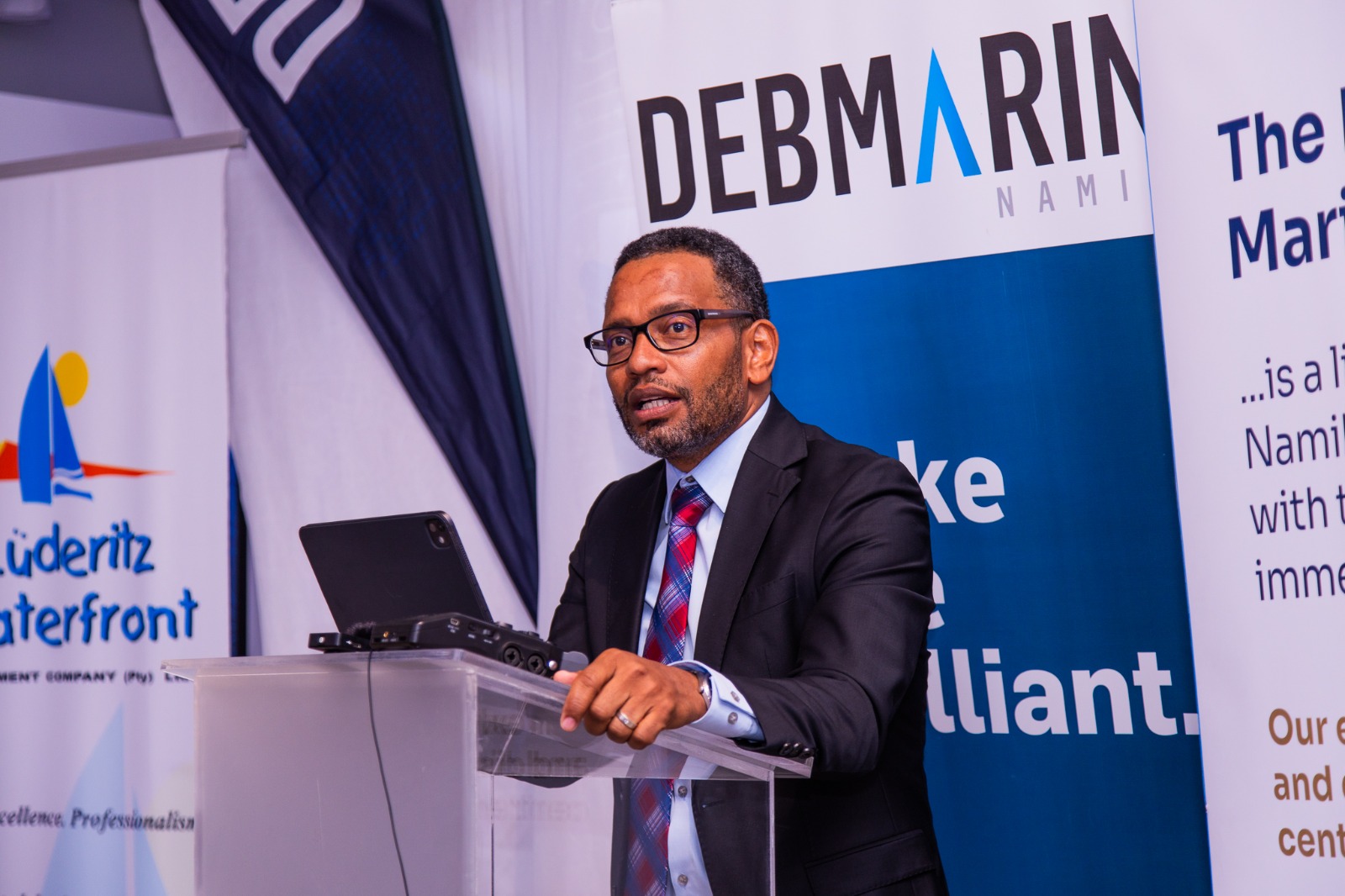
Willy Mertens, chief executive of Debmarine Namibia, has called for a nuanced approach to tax policy within the diamond sector, warning that broad reductions could undermine the government’s ability to fund essential public services. Speaking on the challenges facing the industry, Mertens emphasized that while tax breaks could help companies sustain investment and employment, the state simultaneously requires revenue to finance roads, hospitals, schools, and social grants.
He described the situation as a delicate balancing act, arguing that a blanket reduction or removal of taxes would not be appropriate given the current economic climate. Instead, any relief should reflect the specific circumstances and challenges facing individual businesses. This stance comes as the diamond industry navigates a period of difficult trading conditions, characterized by declining revenues and shifting consumer preferences.
Operational Adjustments and Cost Cutting
The downturn has forced major operators like Debmarine Namibia to take decisive action to align production with market demand. The company has implemented significant cost-saving measures, including a workforce reduction of approximately 17% in 2025. Over the past three years, Debmarine Namibia has cut its overall cost base by about 20% to ensure financial sustainability.
Mertens stated that protecting cash flow and maintaining financial health are the top priorities to keep the business operational until market conditions improve. He noted that cash is critical, alongside the people and skills required to sustain operations. The company faces competing demands from various stakeholders, including shareholders, lenders, employees, and local communities. These groups expect the business to maintain assets, invest in skills, support local beneficiation, and continue social investment while meeting its financial obligations.
Shifting Consumer Behavior
A major factor contributing to the industry's uncertainty is the change in consumer behavior following the pandemic. Mertens noted that the industry had previously expected diamond demand to recover as social activities resumed, assuming this would boost natural diamond purchases. However, this anticipated recovery did not materialize as forecasted.
Some consumers have opted for laboratory-grown diamonds, redirecting the money saved toward other purchases, including holidays. This shift has added to the uncertainty surrounding the recovery of natural diamond demand. The outlook also depends on whether the current downturn is cyclical or reflects longer-term structural changes in the market. Mertens advised that businesses need to plan for prolonged uncertainty rather than relying exclusively on forecasts of a recovery.
Stabilization and Skills Investment
Despite the challenges, Mertens indicated that the market has stabilized, with production and prices no longer experiencing sustained declines. He suggested this stabilization could provide a basis for a recovery in diamond demand, although the timing and extent of such an improvement remain uncertain.
Debmarine Namibia has continued to invest in local skills development despite the economic pressure. The company began seabed diamond recovery operations in 2001, at which time Namibians accounted for approximately 11% of its workforce. That share increased to 80% within five years. To support this growth, the company has maintained significant investment in human capital.
Key aspects of Debmarine Namibia’s operational and strategic focus include:
- Spending close to N$130 million annually on skills development to build local expertise.
- Maintaining investment in skills even during previous downturns, such as in 2015 and the 2020 pandemic.
- Identifying market access and securing demand as primary constraints on business growth, noting that finance alone does not guarantee success.
- Prioritizing the deliberate development of local expertise rather than depending primarily on imported skills.
Mertens concluded that businesses must develop local expertise deliberately rather than depend primarily on imported skills. He also identified market access and the ability to secure demand for products as significant constraints on business growth, noting that access to finance alone does not guarantee commercial success. The company remains focused on navigating these structural changes while preserving its workforce and operational capabilities.