Namibia is accelerating efforts to transition from a raw material supplier to a key player in the global nuclear industry. The government’s new strategy seeks to address a stark economic contradiction: the nation exports billions in uranium while simultaneously importing a significant portion of the electricity that this resource could help generate domestically.
President Netumbo Nandi-Ndaitwah’s recent engagement with the Atomic Energy Board of Namibia (AEB) signals a shift toward translating political ambition into industrial development. This move follows a series of directives aimed at establishing a comprehensive nuclear energy framework, with the goal of positioning Namibia as an industrial powerhouse rather than merely an exporter of raw ore.
Strategic Policy Shift
The push for domestic nuclear utilization gained significant traction earlier this year. During a visit to the Rössing Uranium Mine in April 2025, President Nandi-Ndaitwah emphasized that uranium should serve peaceful purposes to power the nation and drive global development.
Following this directive, Prime Minister Elijah Ngurare was tasked in July 2025 with establishing a committee to formulate a national nuclear energy policy. By September 2025, Cabinet had approved the Nuclear Industry Strategy, which Ngurare officially launched in Swakopmund last week.
Ngurare stated that the strategy outlines the government’s ambition to expand Namibia’s participation across the uranium value chain. He emphasized the need for meaningful involvement by local businesses and entrepreneurs, ensuring that the benefits of the nuclear industry extend beyond international markets.
Economic Context and Value Addition
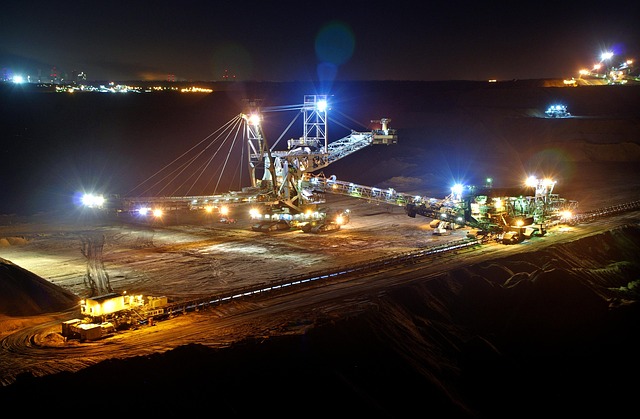
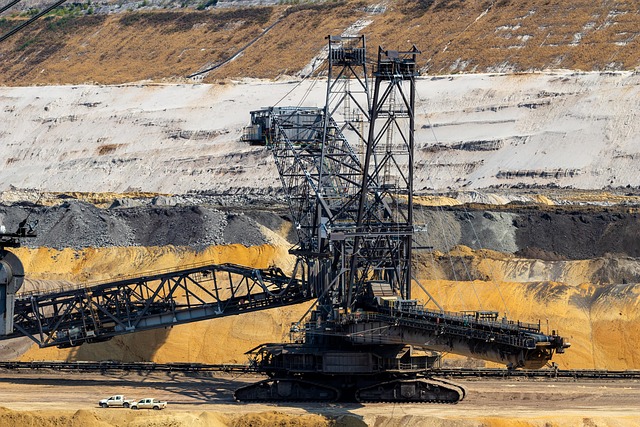
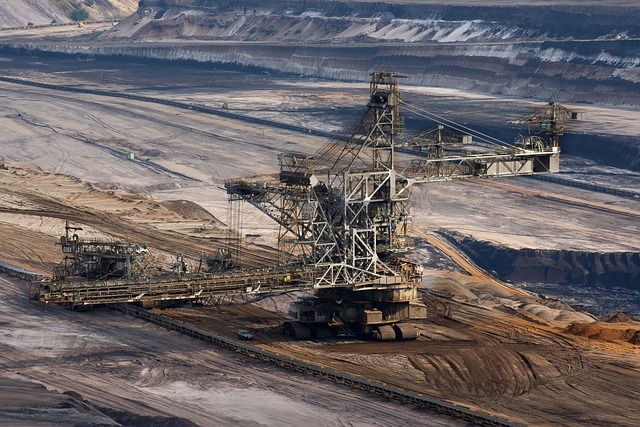
Data from the Sixth National Development Plan (NDP6) highlights the scale of Namibia’s current uranium operations. In 2024, uranium mining accounted for 3.2% of the country’s GDP. The sector generated N$15.53 billion in turnover in 2023, including N$10.27 billion in wages, salaries, royalties, and local procurement.
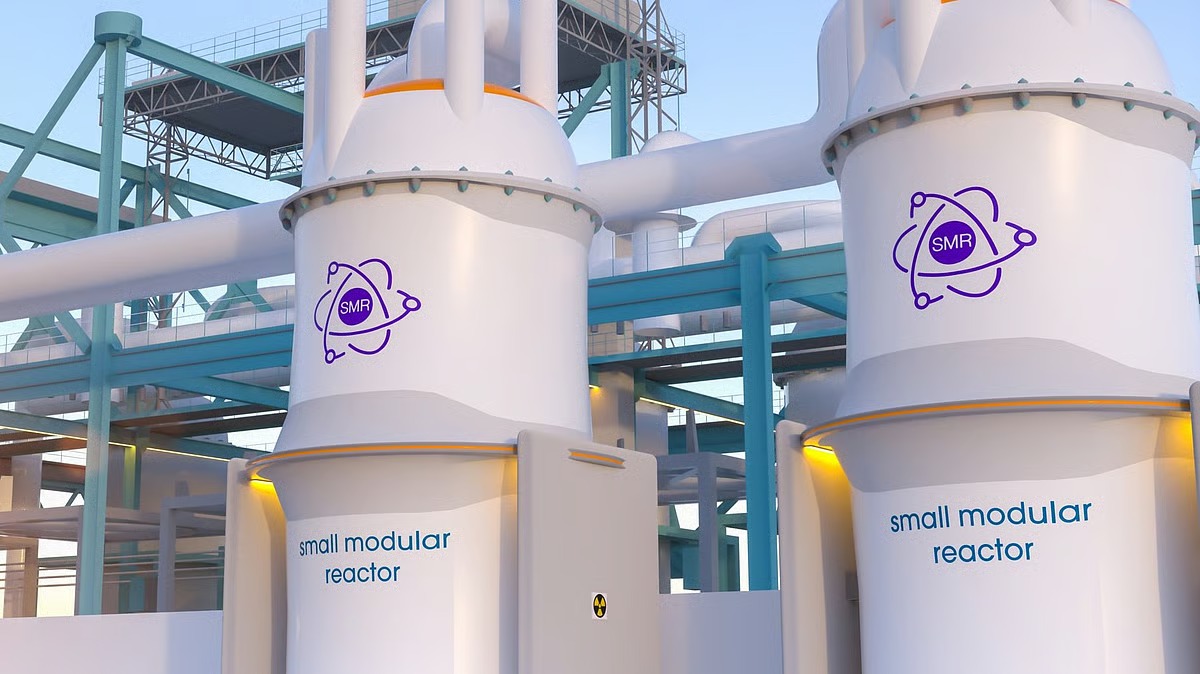
Despite this economic contribution, Namibia’s role remains concentrated in mining and uranium concentrate production. The NDP6 identifies several opportunities for domestic value addition, including uranium conversion, enrichment, nuclear fuel fabrication, and power generation.
The plan estimates that uranium conversion alone could attract investment of up to N$20 billion, provided favorable market, financial, and technical conditions are met. This shift is critical for moving the country up the value chain and capturing more of the economic benefits associated with nuclear technology.
Energy Security and Future Goals
The drive for nuclear development is closely linked to Namibia’s energy security challenges. In 2024, the country consumed 4,155 gigawatt-hours of electricity. Domestic generation supplied only 54% of this demand, while imports from neighboring countries, primarily South Africa and Zambia, accounted for the remaining 46%.
President Nandi-Ndaitwah declared during the recent nuclear conference that reliance on electricity imports must end. She stated that Namibia must forge a path to become a net exporter of power, defining the beginning of the end of its current dependency.
To achieve this, the government has set a target of 80% electricity self-sufficiency by 2028 under the National Integrated Resource Plan. Renewable energy expansion is expected to play a significant role alongside the consideration of nuclear generation.
Beyond electricity, the strategy identifies opportunities in medical radioisotope production, nuclear research, radiation medicine, agricultural applications, and industrial irradiation. These activities aim to create specialized employment and attract technology partnerships. However, the development of nuclear power requires substantial financing, technical expertise, and robust safety regulations, presenting immediate challenges in translating the strategy into viable investment projects.
Key elements of the nuclear strategy include:
- Expansion of local business participation in the uranium value chain to ensure domestic economic benefits.
- Development of specialized infrastructure for uranium conversion and enrichment to attract up to N$20 billion in investment.
- Integration of nuclear technology into medical, agricultural, and industrial sectors to enhance scientific capabilities.
- Achievement of 80% electricity self-sufficiency by 2028 to reduce reliance on imports from South Africa and Zambia.