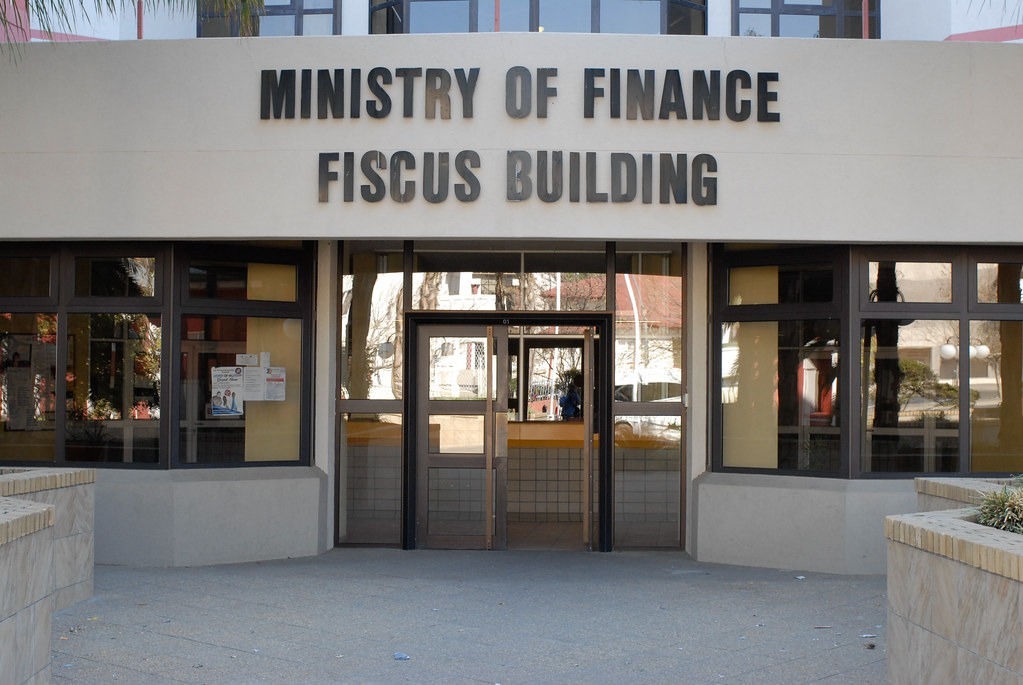
Andrada Mining Limited has reported a substantial rise in its financial contributions to the Namibian economy, with royalty payments jumping to N$20.1 million for the financial year ended 28 February 2026. This figure represents a 37% increase from the N$14.7 million paid in the previous financial year, according to the company’s latest Sustainability Report.
The mining operator’s total direct economic contribution to the country climbed to more than N$745 million, an improvement from the N$705 million recorded in FY2025. This growth was fueled by higher local procurement spending, increased wages, and the aforementioned rise in royalty payments. The company’s revenue also saw a notable boost, rising by 26.5% to N$676 million, compared to N$534.5 million in the prior year. This financial uplift reflects improved operational performance at its flagship Uis Mine located in the Erongo Region.
Local procurement remained a cornerstone of the company’s economic footprint, increasing by 10% to N$625.8 million. This expenditure constituted approximately 88% of the company’s total procurement, slightly up from the 87% share recorded in the previous year. Wages and salaries paid to employees at the Uis operation also rose, reaching N$99.3 million from N$96.8 million the year before. Additionally, estimated indirect economic benefits, calculated using the World Bank’s mining-sector economic multiplier methodology, increased to N$317.4 million from N$300.5 million.
Workforce Expansion and Diversity
The company significantly expanded its human capital footprint during the review period, with direct employment rising by 42% to 394 employees from 277 in FY2025. The number of contractors also increased to 285 from 278, bringing Andrada’s total workforce to 679 employees and contractors by the end of February 2026. The report highlighted that workforce planning, capability development, and succession management remained critical focus areas as the business continued to grow.
Demographic data from the report indicates that Namibian nationals comprised 98% of the company’s direct workforce. Female representation within the organization saw a marked improvement, rising to 29% from 20% in the previous financial year. Women now occupy 36% of senior operational management positions, a figure unchanged from the prior year, while female representation at the corporate leadership level stood at 29%.
Community Investment and Safety
Beyond its core mining operations, Andrada increased its community development expenditure by approximately 51% to N$1.7 million, or £74,174, compared to N$1.1 million in FY2025. The report detailed how these funds were allocated, noting that education and skills development accounted for 68% of the total community investment. Additional funding was directed toward youth development and community infrastructure initiatives.
The company engaged in 208 stakeholder engagements during the financial year, covering topics such as community development, education, environmental management, local employment, and regulatory matters. Anthony Viljoen, Andrada’s Chief Executive Officer, emphasized the company’s ongoing commitment to creating value through employment, procurement, taxes, royalties, and community investment while expanding its critical minerals portfolio.
On the front of workplace safety, Andrada maintained a zero-fatality record throughout FY2026. The total recordable injury frequency rate improved by 29%, dropping to 3.61 from 5.07 in the previous year. Health, safety, and emergency response training hours increased to 568 from 461. However, the report noted that the lost-time injury frequency rate increased to 0.60 per million hours worked, rising from zero in the previous financial year.
Key Financial and Operational Metrics
The following figures highlight the key operational and financial shifts reported by Andrada Mining for the financial year ended 28 February 2026:
- Royalty payments to the Namibian government increased by 37% to N$20.1 million.
- Total direct economic contribution to Namibia exceeded N$745 million.
- Direct workforce grew by 42% to 394 employees, with 98% being Namibian nationals.
- Female representation in the total workforce rose to 29% from 20%.
- Community development expenditure increased by 51% to N$1.7 million.
As the company continues to develop its operations, it maintains that its economic contributions extend beyond the minerals produced, encompassing significant investments in local employment and community infrastructure.