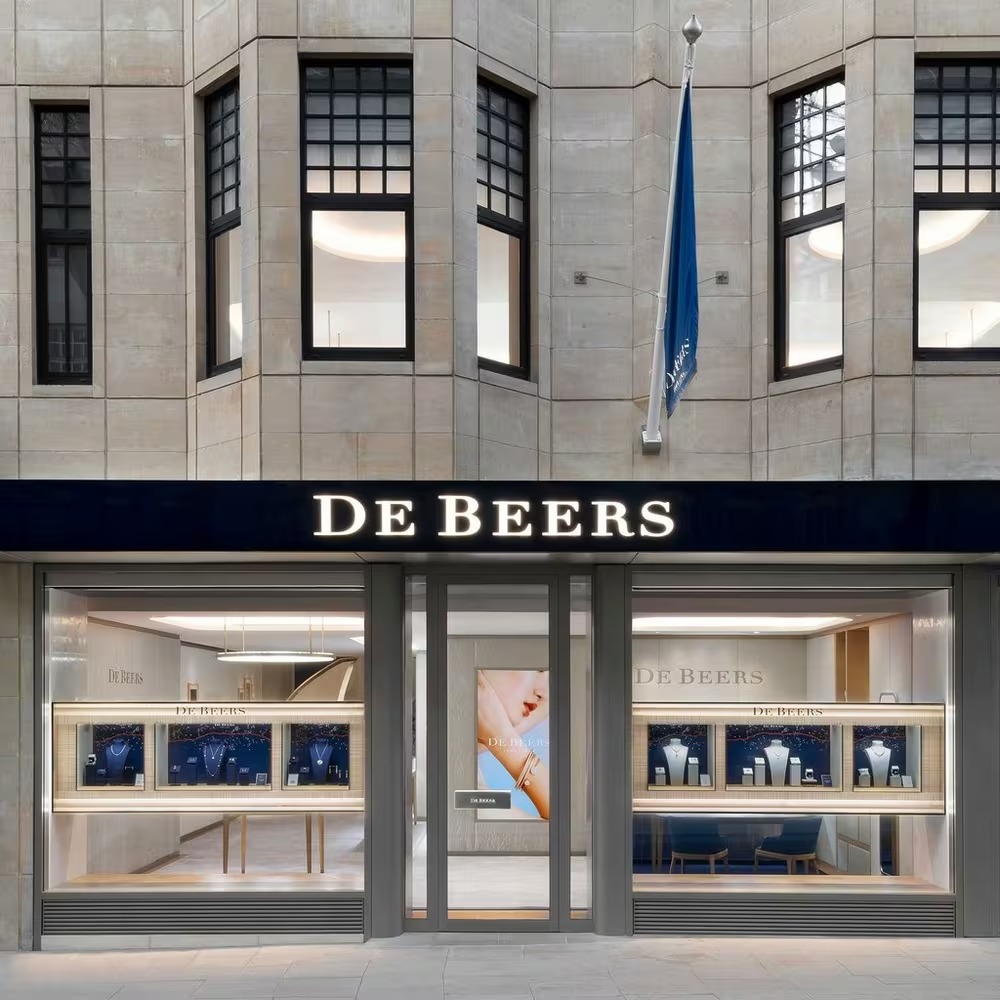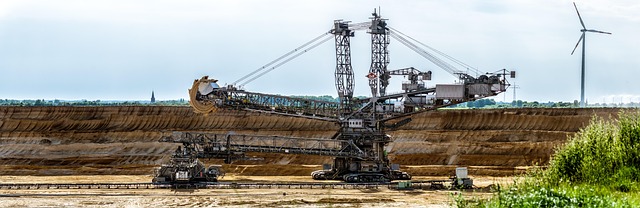
The proposed acquisition of a stake in De Beers by an African consortium marks a significant moment for resource-rich nations on the continent. According to an editorial in the Windhoek Observer, this move represents an opportunity for African countries to take greater control of their economic destiny rather than remaining at the bottom of the global value chain. The publication argues that this collaboration between Botswana, Namibia, and Angola demonstrates the power of collective economic interests over individual negotiating positions.
For decades, African nations have supplied raw materials while other entities controlled the technology, markets, and profits. The editorial suggests that the Global Diamond Consortium offers a chance to redefine this narrative by securing influence over an industry that has shaped the economies of these three countries for generations. This is described not merely as a financial transaction but as a strategic move toward industrialisation and value retention on African soil.
Commercial Discipline and Risks
While the ambition behind the consortium is welcomed, the publication emphasizes the need for clear-eyed commercial judgement. The natural diamond industry currently faces substantial challenges, including shifting consumer preferences, intense competition from laboratory-grown diamonds, and uncertainty in international markets. Consequently, the editorial insists that any investment must be supported by a credible business case and sound financing arrangements.
There are specific concerns regarding the allocation of public funds. Economist Robin Sherbourne has raised questions about whether a potential investment of N$3 billion in De Beers constitutes the most prudent use of scarce public resources. The newspaper warns that governments must not expose taxpayers to unnecessary financial obligations or confuse strategic ownership with an obligation to spend public money at any cost. Strategic ambition, the editorial notes, must be matched by financial discipline.
Namibia’s Strategic Position
For Namibia, the opportunity carries particular weight given its existing footprint in the diamond sector. The government already maintains 50% stakes in several key entities, including Namdeb, Debmarine Namibia, and the Namibia Diamond Trading Company. A meaningful stake in De Beers could further strengthen Namibia’s influence across the diamond value chain and provide leverage in shaping industry decisions.
However, the publication calls for an immediate end to uncertainty surrounding Namibia’s participation. The public deserves full clarity on the terms of the investment, its financing structure, and the status of the diamond sales agreement with De Beers, which expired in May. Furthermore, Parliament must be properly informed about the implications for existing partnerships and the country’s long-term interests.
Requirements for Success
The editorial outlines several critical elements required for the consortium to succeed as a genuine strategic partnership rather than a mere financial arrangement. These elements include:
- Negotiating better market access for African diamonds through combined influence.
- Developing regional skills and attracting investment to support local manufacturing.
- Building institutions capable of competing on an international level.
- Ensuring transparency and accountability as prerequisites for the initiative's success.
The involvement of De Beers’ Element Six business, which specialises in advanced synthetic diamond technology, presents additional opportunities to position the region beyond traditional mining, cutting, polishing, and trading activities. The publication argues that this aspect of the deal could help diversify the economic benefits derived from diamond resources.
Measuring True Prosperity
Ultimately, the success of this initiative will not be measured by the percentage of De Beers owned by African governments. Instead, the editorial states that the true measure of success will be the jobs created, businesses developed, technologies transferred, skills acquired, and wealth retained on the continent. The piece concludes that moving from participants in global industries to influential owners and decision-makers is a sign of economic maturity. It asserts that African resources must increasingly translate into African ownership, African industries, African expertise, and African prosperity, calling it the Africa that the continent wants to see.