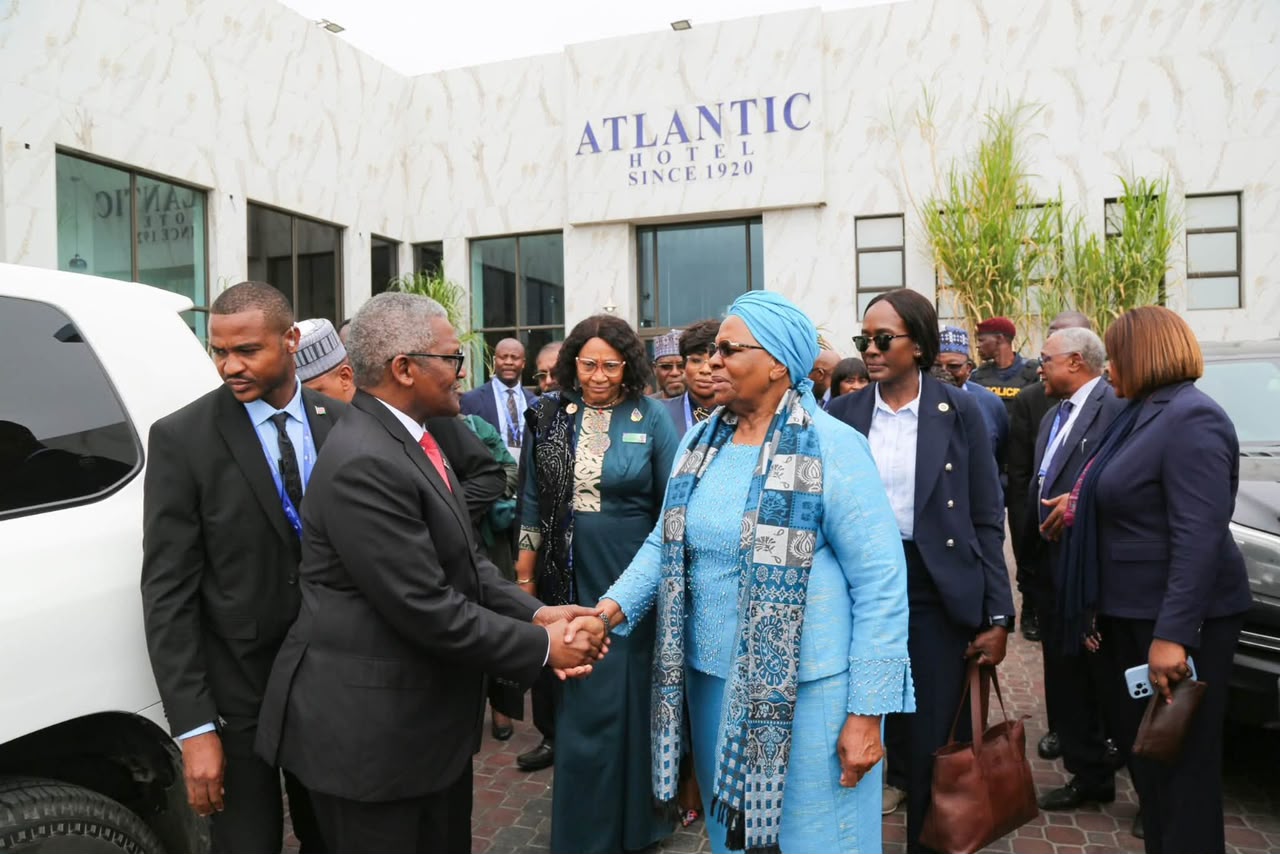
Namibia has successfully retained a US$2.5 billion investment from Dangote Industries Limited after President Netumbo Nandi-Ndaitwah stepped in to resolve administrative bottlenecks. The fuel storage and regional pipeline project, launched in Walvis Bay, faced significant hurdles that nearly led to its collapse. The President acknowledged that frustrations within the investment team reached a critical point, necessitating direct communication with Aliko Dangote to persuade him to remain committed to the Namibian venture.
In a candid admission, Nandi-Ndaitwah apologized for the delays experienced by the company. She revealed that she had to personally call Mr. Dangote to plead for patience and the opportunity to resolve the issues. This intervention highlights the severe impact of government inefficiencies on foreign direct investment and underscores the President's decision to take a hands-on approach to major economic projects.
Bureaucracy Costs Shipyard Project
The urgency of the situation was underscored by the loss of a separate, equally significant investment: a proposed N$13 billion drydock shipyard at Walvis Bay. Announced in 2024 by Tridock Shipyard Namibia (Pty) Ltd, this project was intended to serve the offshore oil and gas, marine mining, and commercial shipping sectors. The investors had expressed serious intent to proceed, but after four years of bureaucratic delays, they ultimately withdrew from the agreement.
The shipyard was planned for a 65-hectare site at Walvis Bay, with construction originally scheduled to begin in 2026 and operations targeted for 2031. The facility was designed to accommodate vessels up to 300 metres in length, including offshore oil rigs, dredgers, and large mining vessels. The project was projected to create up to 1,000 direct jobs and generate approximately N$2.7 billion in annual revenue during its initial years, with expectations that revenue could double within three years of commissioning.
Administrative Challenges and Future Coordination
Nandi-Ndaitwah stated that the withdrawal of the shipyard investors reinforced her belief in the need for direct government oversight of major developments. Drawing on her previous experience as Minister of International Relations and Cooperation, she decided to personally monitor the Dangote investment to prevent similar outcomes. To ensure smooth execution, she has instructed National Planning Commission Director General Ambassador Kaire Mbuende to coordinate the project and provide regular updates on its progress.
The President warned that continued administrative inefficiencies could result in the loss of further investments and employment opportunities. She emphasized that government institutions must address these delays to encourage private-sector participation and accelerate economic development. The government reaffirmed its commitment to public-private partnerships as a key mechanism for infrastructure development, industrialization, and job creation.
Project Details and Regional Impact
The Dangote Namibia Tank Farm and Regional Pipeline Project involves the development of a 600-million-litre petroleum storage facility. This facility will have a capacity of approximately four million barrels, comprising 360 million litres of diesel and 240 million litres of petrol. It will also include truck-loading and dispensing facilities to support petroleum storage and distribution.
The project includes a planned 1,700-kilometre regional pipeline intended to supply fuel markets across southern Africa. The proposed infrastructure details include:
- A pipeline route extending from Walvis Bay towards Otjiwarongo, with connections northwards towards Rundu.
- Eastward connections towards Ghanzi and Francistown in Botswana to integrate with regional networks.
- A broader distribution network designed to serve Botswana, Zambia, Zimbabwe, Malawi, and the southern Democratic Republic of Congo.
The investment aims to position Walvis Bay as a regional petroleum storage and distribution hub. The President called for stronger coordination between government institutions and private investors to ensure that proposed developments proceed without unnecessary obstacles, signaling that additional major investments are expected in the near future.
Policy Implications for Investment Climate
The contrasting outcomes of the Dangote and Tridock projects serve as a stark reminder of the importance of efficient governance in the investment landscape. By retaining the Dangote investment, the government has secured a significant asset that supports energy security and regional trade. However, the loss of the shipyard project highlights the tangible costs of bureaucratic inertia.
Nandi-Ndaitwah’s directive to the National Planning Commission indicates a shift towards more active project management at the highest levels of government. This approach aims to streamline processes and reduce the friction that often deters foreign investors. As Namibia seeks to accelerate economic development, the ability to deliver on promises and maintain investor confidence will be critical. The government’s focus on resolving administrative inefficiencies suggests a broader effort to improve the business environment and attract further capital to the country.